Issei Suda, a Master of Japanese Photography

Issei Suda, a Master of Japanese Photography.
Interview by Roland Angst with Ferdinand Brueggemann

Published in:
Issei Suda – The Work of a Lifetime – Photographs 1968 – 2006“,
Only Photography, Berlin, 2011

Roland Angst (RA): Ferdinand, you were in Tôkyô for nearly two years – when was that? And what was behind your stay there?

Ferdinand Brueggemann (fb): In the late 1990s, I was there for 18 months as a research fellow at the German Institute for Japanese Studies. The title of the research project I was working on there was «The Influence of the German Avant- Garde on Japanese Photography of the 1920s and 1930s»; and then I was in Japan again in 2000 for several months to do research. Since then, I have been in Japan at regularly.

RA: Your work was already focused on photography due to your research project. How long did it take you to establish personal contacts to Japanese photographers and curators? 

fb: That already happened during the first weeks of my stay. I had previously made two shorter visits to Japan, before I went there for my research, and got to know two curators – Hiromi Nakamura, from the Metropolitan Museum of Photography, and Masafumi Fukagawa, from the Kawasaki City Museum. They soon helped me to get in touch with a number of younger photographers. My daily routine during that period of doing research in Tôkyô involved working in the archives during the day and meeting photographers in the evening, there was always something new going on. At openings, exhibitions and award ceremonies, I had the opportunity to immerse myself in the Japanese photography scene.

RA: As far as I know, there still really isn’t a gallery scene in Japan like the one in the West. Where were you able to see the works of these photographers?

fb: The structure of the Japanese photography scene is completely different from what we are used to in the West. In Europe and in the USA, artists’ careers begin with gallery exhibitions, as a rule, and later progress to shows in museums, accompanied or followed by the first books on their work brought out by public institutions or private publishing companies. In Japan, on the other hand, the photographers first have a publicist or even produce the publications themselves. Another important step is for them to win one of the awards for young photographers. An exhibition at a recognized gallery, or even at a museum, often only comes after that. Yet, despite this fact, there are still countless photography exhibitions in Japan. I recently did some research and found out that on a single day in Tôkyô, exhibitions by roughly one hundred Japanese photographers were taking place. Many of these were, however, in what are known as “rental galleries”, spaces the artists rent for the equivalent of € 2,000 to € 3,000 per week in order to show their work. The one or the other of the Japanese photographers, with whom I had become acquainted, would always take me along to an exhibition opening or some similar event back then, because at that time absolutely no information on these exhibitions was available in English. It was only possible for foreigners to get to know the artists and their work, if another Japanese photographer provided you with the information or took you along with them.

RA: When and how did you first become acquainted with Suda’s work? 

fb: It must have been while I was doing research in Tôkyô during the late 1990s. As a rule, I usually saw a photograph in a group exhibition or in some publication and then was so taken by it that I began to collect more extensive information on the artist. I remember that in Issei Suda’s case it was a picture of a snake winding its way up a wooden wall  that immediately fascinated me, even if I was also somewhat perplexed by it.

RA: In the West, there is a tendency to associate Japanese postwar avant-garde photography only with names like Araki, Moriyama and – to a greater or lesser extent – the Provoke Group. Suda, as well as a few other important photographers, are, for the most part, only known to insiders. What do you think is the reason for this?

fb: It is a result of the way Japanese photography has been received in the West, it hasn’t progressed along a straight line in parallel with historical developments, it hasn’t been a case of first becoming familiar with the great masters and then branching to explore others. Instead, there was an initial tendency to concentrate on a very few photographers; hence, Nobuyoshi Araki was the first photographer to become well-known in the West, along with one of his contemporaries, Hiroshi Sugimoto, although the latter represents a completely different position. Nearly ten years later – in the wake of an exhibition that toured the world 1999 – the name Daidô Moriyama was added to this list. The focus in the cases of Moriyama and Araki was primarily on the Provoke era of the late the 1960s and early 1970s, while Sugimoto is still seen as a singular phenomenon to this day. Early on, there was little interest in how artists fit into a particular context in terms of the history of photography. This was, in part, a result of the fact that these artists fulfilled certain Western fantasies in relation to Japan. Araki stood, and still stands, for obsessive, excessive sexuality and its depiction. While the early work of Hiroshi Sugimoto, the Seascapes, were seen in connection with the philosophy and aesthetics of Zen Buddhism. The projection of Western fantasies onto the “Orient” is an essential aspect of the centuries’ old discourse on Orientalism. The West was always projecting images onto the Orient, particularly fantasies and topics considered taboo or unfulfilled in the West. While Araki clearly catered to some of these on a sexual level, Sugimoto – particularly in his early work – catered to completely different fantasies, namely those of a pre-industrial Japan, a land of geishas, Zen Buddhism and the tea ceremony. The West only began to take a notable interest in the history and underlying context of Japanese photography after we entered the new millennium. Issei Suda occupies a unique position in Japan, since he is not associated with any particular school. This is probably also the reason for his having received so much less attention than artists such as those in the Provoke Group, which formed around Daidô Moriyama, Nakahira Takuma and Yutaka Takanashi. His books are also not as well known in the West. Books by photographers are second only to photography exhibitions in terms of their importance for the reception of Japanese photography. Books by photographers are of much greater importance in Japan than in the West. In Japan, artists have traditionally presented their works to the public by means of their books and magazines and – as was previously mentioned – young artists are still more likely to have a publisher than a gallerist.
RA: Ferdinand, can you tell me, briefly, what role Issei Suda played in Japanese postwar photography and whether he had as much influence on his contemporaries and the following generation as the Provoke Group did? 

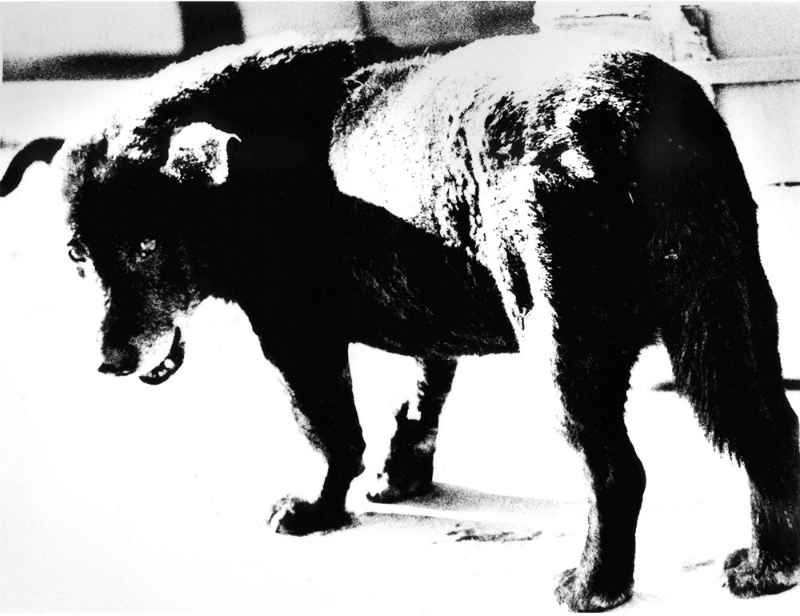
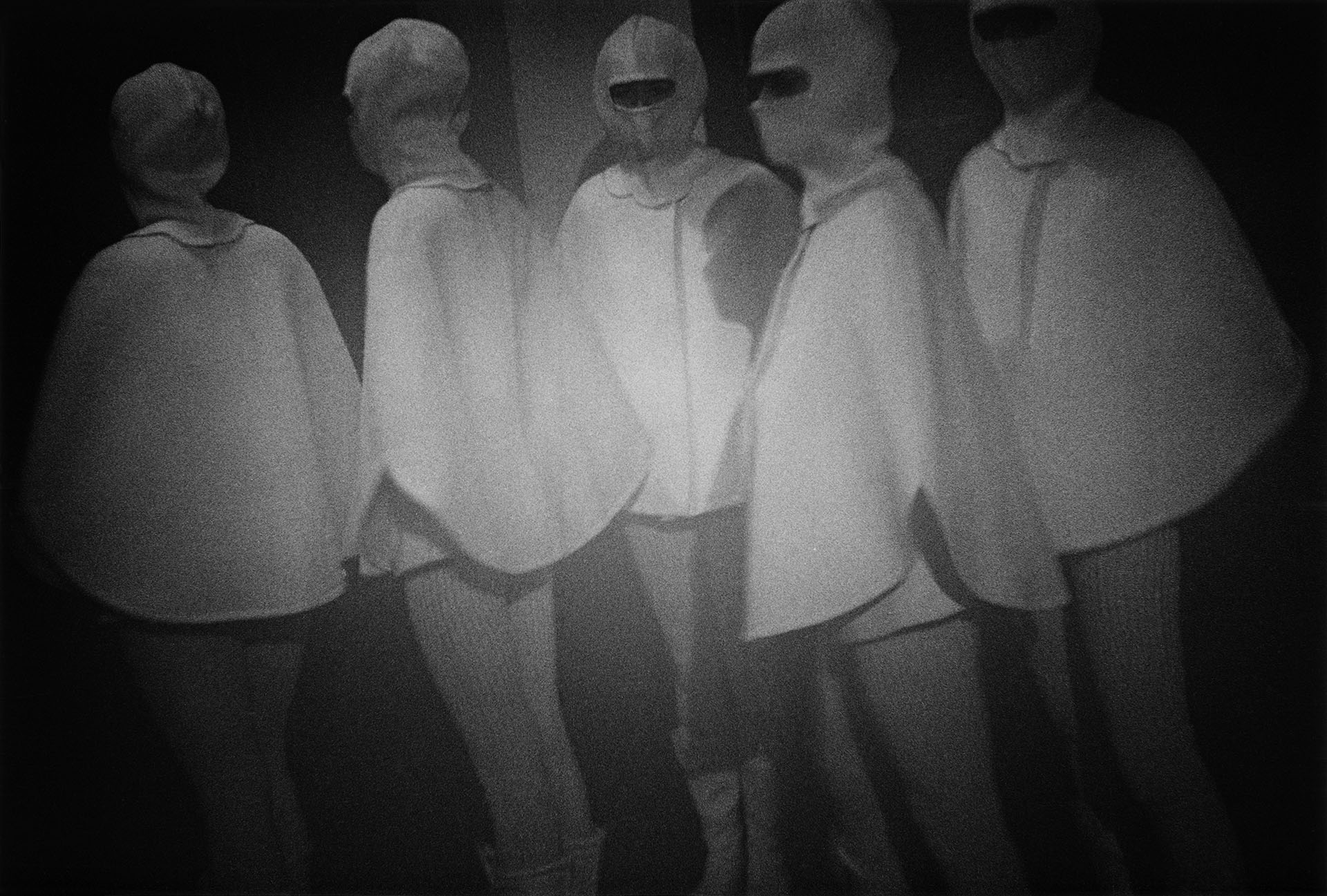
fb: While Issei Suda’s position within Japanese photography is certainly an original one, he was not the only one taking photographs in this manner: with a medium format camera, precisely observing his subjects, producing prints of the highest quality, and painstakingly describing what he saw. We already discussed the fact that the Provoke Group was extremely influential – within and, especially, beyond Japan. Shortly before the Provoke Movement was established in the late 1960s, another group was founded under the name “Kompora”, and it can be seen as the diametric opposite of Provoke. The term “Kompora” is a typically Japanese composite created from English words; it was a combination of the Western terms “contemporary” and “photography”. The term was derived from the title of the exhibition Contemporary Photography: Towards a Social Landscape at the George Eastman House in Rochester, New York. Both movements, “Provoke” and “Kompora” were formed as a means of countering journalistic photography, which was predominant at the time and which they charged with encountering reality through its ideological preconceptions. While the Provoke Group’s grasp of reality extremely radicalized photography by refusing to adhere to a traditional visual grammar; instead they held the camera at an angle, caused blurring, captured hard contrasts and grainy shots, while the Kompura Group pursued the opposite path by saying, “We must divorce ourselves from all ideology and approach reality in a coolly objective and unemotional manner, working as precisely as possible, while concentrating on common, everyday images and events.” One does not, however, find this form of cool description in Issei Suda’s work. Although he develops each of his shots with incredible precision, his images also always describe reality with some form of subtle distortion. His works operate in a highly charged space somewhere between the objective depiction of everyday occurrences and often quite unusual views of everyday life that seem to embody some sense of mystery.
RA: In your view, is there a certain group of works that you would single out, or is there a particular series within his oeuvre of forty years that you would highlight? 

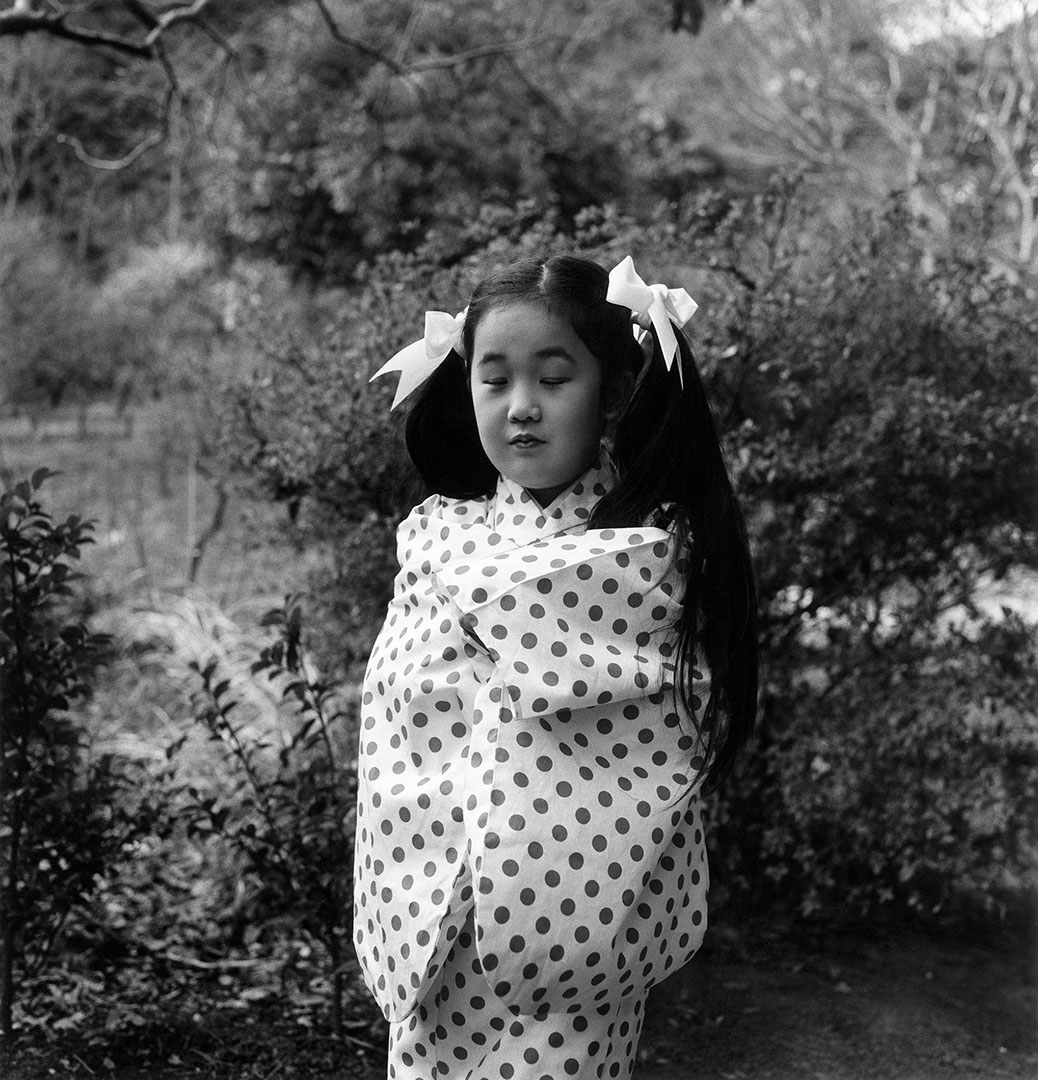
fb: Generally, the quality of his work is impressively consistent. Nevertheless, I would highlight the series called Fûshi kaden, which he published in 1978. Fûshi kaden is a discourse on tradition and modernity – and this was conducted with particular intensity in Japan – and some artists were, on the one hand, interested in the modern metropolis, particularly Tôkyô, while others were simultaneously moving back to rural areas and concentrating on the old Japan, which was in a state of decline. It was mainly Japanese photographers who depicted this contrast, the radical tension between the burgeoning hypermodernity of major cities and the often still very traditional life in rural areas. Suda traveled through rural areas for Fûshi kaden and many of his photographs were of traditional festivals – called matsuri. The title, Fûshi Kaden, is difficult to translate. It is a reference to a book from the early fifteenth century, a theoretical treatise on Nô theater, written by one of the most important figures in Nô, the Grand Master Zeami. As a rule, Fûshi Kaden is translated as “transmission of the flower in acting style.” This translation does not really provide much help, because the translation includes the central concept of the “flower” derived from Zeami’s theory of Nô theater, which seems rather foreign to us: Zeami tells us that the flower is a symbol of beauty, whereby in Zeami’s view, the ideal of beauty – the “flower” – can be found in 7- to 8-year-old children who, because they have not yet fully blossomed, embody the greatest beauty. On the other hand, the term “flower” refers to a manner of acting in Nô theater. Zeami called upon actors to intensely combine their innermost feelings with the most precise perception of their surroundings, yet to never reveal everything in their acting, thereby retaining a secret of their own. Issei Suda seems to have applied this connection between the inner and the outer, between self-perception and the perception of one’s surroundings, as well as Zeami’s idea of beauty, to his photography. A recurrent theme in Suda’s work are young people, particularly young girls, often photographed in traditional clothing, in the summer kimonos that are worn to festivals. One gets the impression that he is not interested in providing a description of the people in his photography, but that he instead turns them into actors in a play, about which they know nothing. Ultimately, it is the theater of everyday life that serves as a model for Issei Suda’s precise and, at the same time, mysterious images. Another important aspect in this series is Suda’s eye for the beauty of graphic patterns, structures that he discovers along the way, whether in the pattern of a curtain or of some piece of clothing worn by his actors.
RA: Is it correct to say that Suda succeeds – despite the strong influence of Japanese history and tradition on his perceptions and his choice of motifs – in creating a modern image of Japan, albeit one that is more classic than provocative, as in the case of the Provoke Group? 

fb: In Suda’s case, we see things coinciding, and this is always an essential factor in making Japanese art so unique: the fact that the Japanese draw from different sources. I already mentioned this in relation to the topics chosen by Japanese photographers in the 1960s and 1970s: the tense relationship between tradition and modernity: this is also a conflict in the life and work of artists from this period, and it is most radically reflected in the life of the author Yukio Mishima, who, as a representative of the avant-garde, took his own life through «sepukku», the traditional form of suicide, in 1970. Before he became a freelance photographer, Issei Suda was a theater photographer working for Shûji Terayama’s “Tenjô Sajiki” acting troupe. Terayama was one of the central figures in the Japanese avant-garde of the 1960s and had contact to a wide variety of artists from this period. Terayama worked with Tadanori Yoko’o, for example, one of the most important graphic designers in Japan (and he in turn worked with the photographer Eikô Hoso’e). There are also a number of early photographs of Daidô Moriyama taken within the context of this theatre troupe. Hence, there was an extremely lively and intensive network within the Japanese avant-garde that served to connect all of the arts during this period. Returning to the confrontation between tradition and modernity in Issei Suda’s work: after the period he spent as a theater photographer, it was not surprising that his first book drew its title from a work on the theory of acting. Yet it is also important to note that he chose a title from the Japanese Middle Ages, the title of a book by one of the founders of the Japanese theater tradition. His choice of this title is a reference to the fact that Issei Suda apparently sees reality with two different eyes. He bears witness to the changes in Japan, to its having been propelled into modernity, yet refers to an aesthetic style that is centuries old; and in doing so, he makes use of a visual medium that was, in turn, introduced to Japan from the West. This, in my opinion, is what is so special about Suda: this tension between the ordinary and the extraordinary, between tradition and modernity. This precise observation and description, whereby the unusual tension in these images, which always embody a sense of mystery, is what makes the work that Suda was doing so different from that of other artists in this period. The Provoke photographers, whose best works hit the viewer like a slap in the face, fail to demonstrate this subtlety.

RA: Was Suda integrated into the Japanese photography scene? And when was he first noticed by Japanese museums? 

fb: In general, there has always been a very strong network within the photography scene in Japan. Personal contacts, magazines and exhibitions always provided a basis for a very close-knit network. One reason for this was that in the early decades photographic artists received very little support from outside of the photography scene; moreover, up until a few years ago, there was not much of a market for photography, nor were photographs discussed in magazines or newspapers outside of the photography scene. People tended to work for themselves and their colleagues within the scene, and to provide support for each other in realizing projects and staging exhibitions. Yet, in his work, Suda really seems to be original; he also denies having been influenced by others, although he was certainly, albeit unconsciously, affected by the “Kompora” movement, particularly since an intense discourse regarding the medium of photography was being conducted in the 1960s and 1970s, mainly in photography magazines and books by photographers. Unlike the Provoke artists, Suda did not establish a trend in photography, although his manner of seeing sometimes seems to shine through in the work of other photographers. Regarding Suda’s presentation in Japanese museums, I was surprised to realize that he has never had a solo exhibition in a Japanese museum, although his works can be found in many Japanese museum collections. Moreover, his work was first exhibited at Western institutions, such as the ICP in New York and the Forum Stadtpark in Graz. This is, on the one hand, due to historical reasons. Japanese museums did not establish photographic collections until the late 1980s or early 1990s. On the other hand, Japanese museums are very cautious about presenting Japanese artists. Quite often, Japanese artists are only appropriately recognized after they have had successful solo exhibitions in Western museums. Kusama Yayoi, the important Pop-Art artist, and Nobuyoshi Araki, as well as the current case of Rinko Kawauchi, are examples of this.

RA: Is it true that you, as the director of the Galerie Priska Pasquer, were responsible for introducing Suda in the West? 

fb: I believe that the presentation of his work in our gallery marked an important step in acquainting Western collectors and curators with Issei Suda.

RA: Has Suda’s work been represented in the very few group exhibitions on Japanese photography staged in recent decades? 

fb: Issei Suda’s work was shown in the important exhibition The History of Japanese Photography in Houston, Texas, in 2003. The catalogue from the exhibition can now be used as a reference work on the history of Japanese photography. It made an essential contribution to our knowledge of Japanese photography, particularly due to its in-depth research. Issei Suda’s work was also presented in earlier exhibitions. We have now largely forgotten that Japanese photography was already shown in the 1970s. There were three important exhibitions: New Japanese Photography at the Museum of Modern Art in New York, organized by John Szarkowski in 1974; Japan: A Selfportrait at the International Center of Photography (ICP) in New York in 1978 – in which Suda also participated; and Neue Japanische Fotografie in Graz, in 1977. They seem to have had little effect back then. They were, unjustifiably, not recognized in the West as extraordinary moments in exhibition history.

RA: As you correctly pointed out, Suda engaged with Japanese history – particularly with Nô theater. How do you assess his decision to turn to images of modern urban Japan, particularly to Street Photography, within the context of his overall oeuvre? 

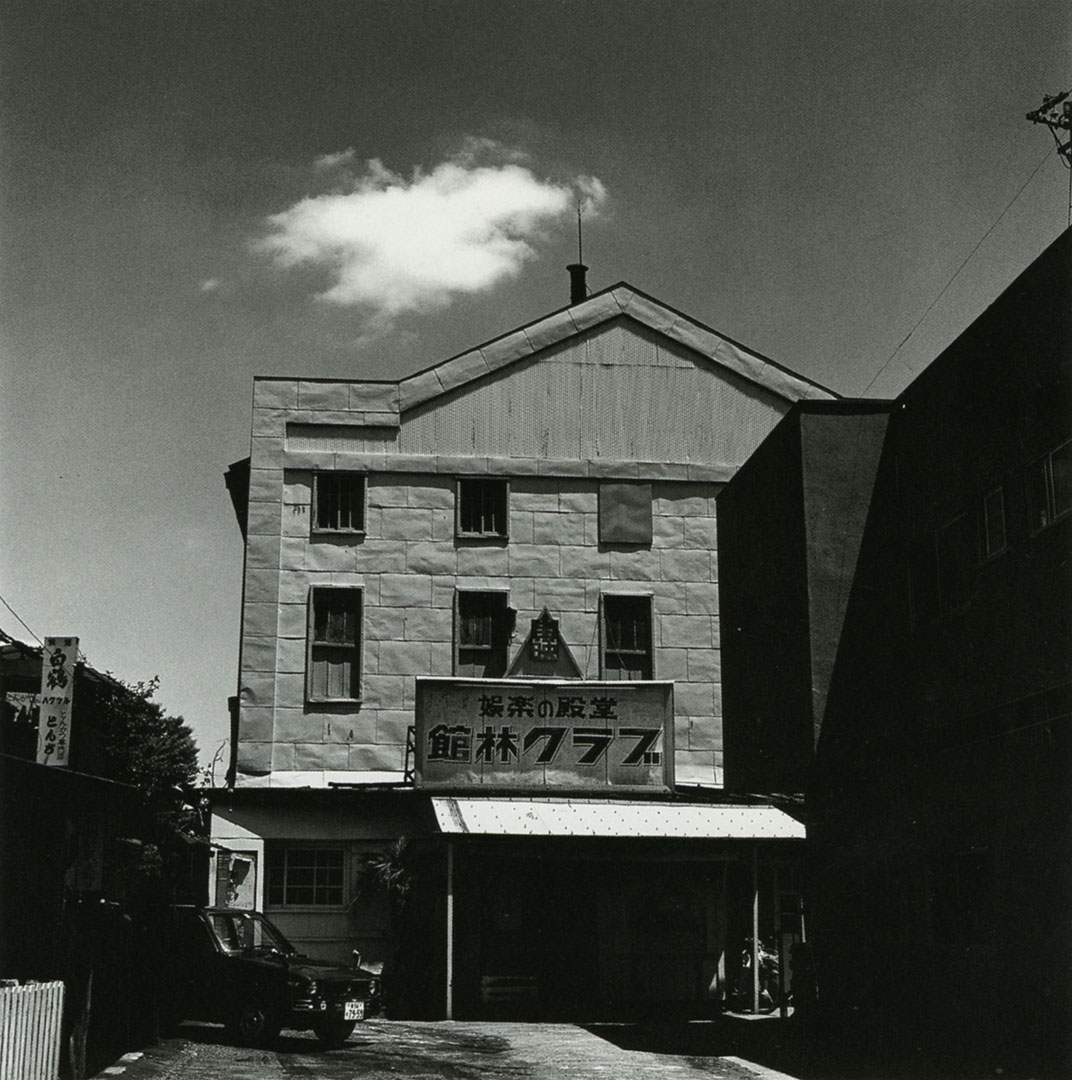
fb: Along with Fûshi kaden, I see the book Human Memory, which was created during the 1980s, as an important milestone in his work. In it you can really see a change taking place, Suda has returned to the city. He photographs everyday scenes – but not necessarily scenes from the vibrant centre of the metropolis of Tôkyô, he instead shows side streets and areas that seem more like small towns. While in Fûshi kaden Suda repeatedly showed people in groups, couples and cliques, or people celebrating, sometimes assuming exaggerated poses, one notices that many of his photographs in Human Memory depict a sense of isolation.There is still the strange tension in Suda’s images, which is based on the depiction of the unusual in everyday life – which seem, however, somehow muted. The focus is more on the scenes in which people appear as isolated individuals in an urban context.
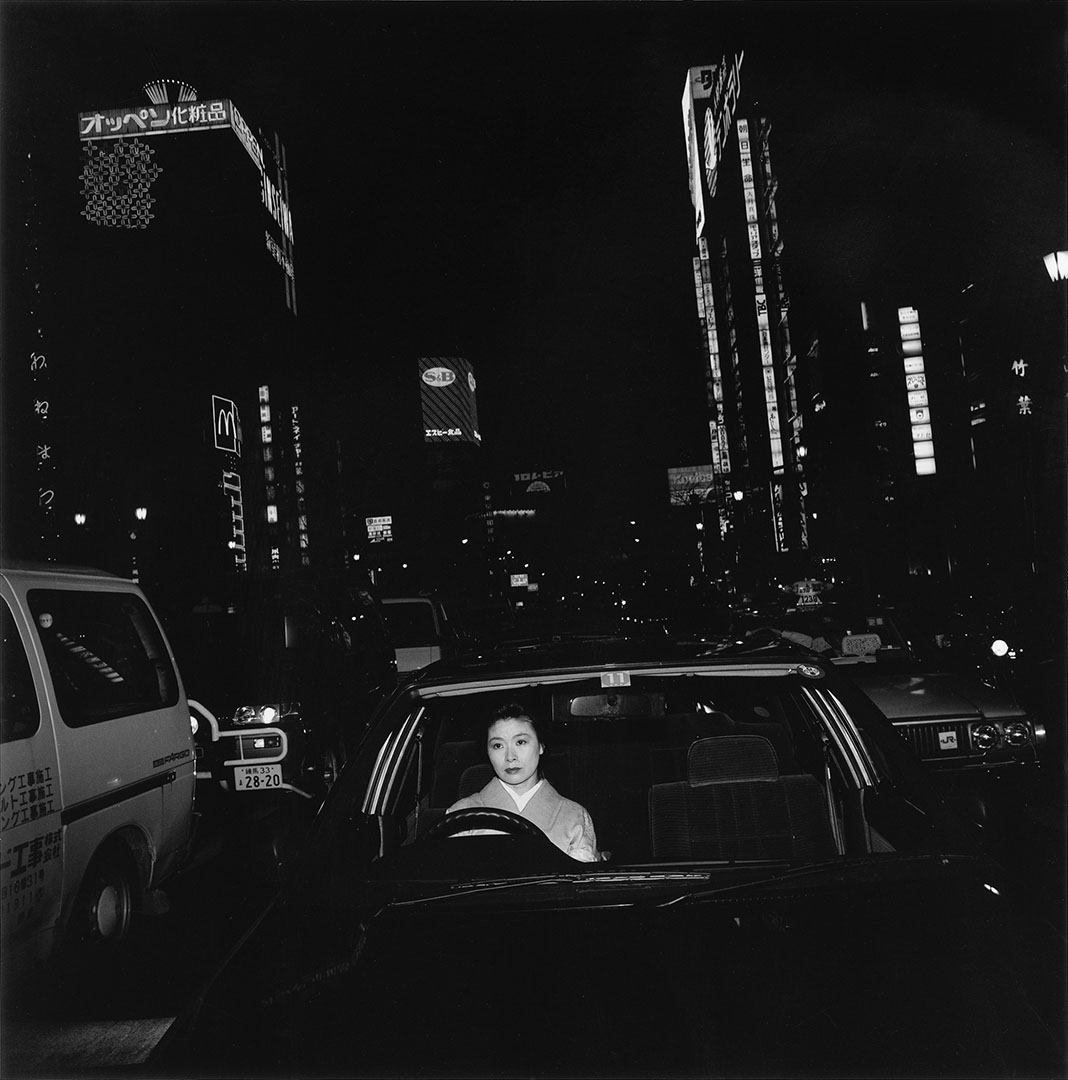
RA: Does that mean that he is reacting to what was then a contemporary trend, one that was surely quite confusing for the more traditional and family-minded Japanese? 

fb: He is indeed examining – consciously or unconsciously – a social trend that became quite pronounced in Japan in this period. The major cities – above all the Tôkyô metropolitan region, which is now inhabited by over 32 million people – exerted a tremendous attraction; people moved to the cities and were thus torn out of their village communities. In the cities, the people now appear as isolated individuals. Tôkyô’s rise, the rapid changes in the appearance of the city and the radical transformation of the social structure play a central role in the discourse in Japanese photography during this period.

RA: Ferdinand, I thank you for speaking with me.

This interview with Ferdinand Brüggemann was conducted by Roland Angst on October 11, 2011 at the Galerie Priska Pasquer in Cologne.

Ferdinand Brueggemann Photo historian and Director of Galerie Priska Pasquer in Cologne, where he is responsible for Japanese photography and, since 2001, solo exhibitions on Shômei Tômatsu, Eikô Hosoe, Ikkô Narahara, Daidô Moriyama, Issei Suda, Rinko Kawauchi, Asako Narahashi and others. He has worked in the Department of Photography at the Museum Folkwang in Essen, as a research intern at the Wilhelm Lehmbruck Museum in Duisburg, as a research fellow at the German Institute for Japanese Studies in Tôkyô, as a guest lecturer on Japanese art and photography at the University of Frankfurt, and as an author, lecturer and speaker on Japanese photography.

Pale Pink and Light Blue, Exhibition at Museum for Photography, Berlin

Exhibition Recommendation
Pale Pink and Light Blue
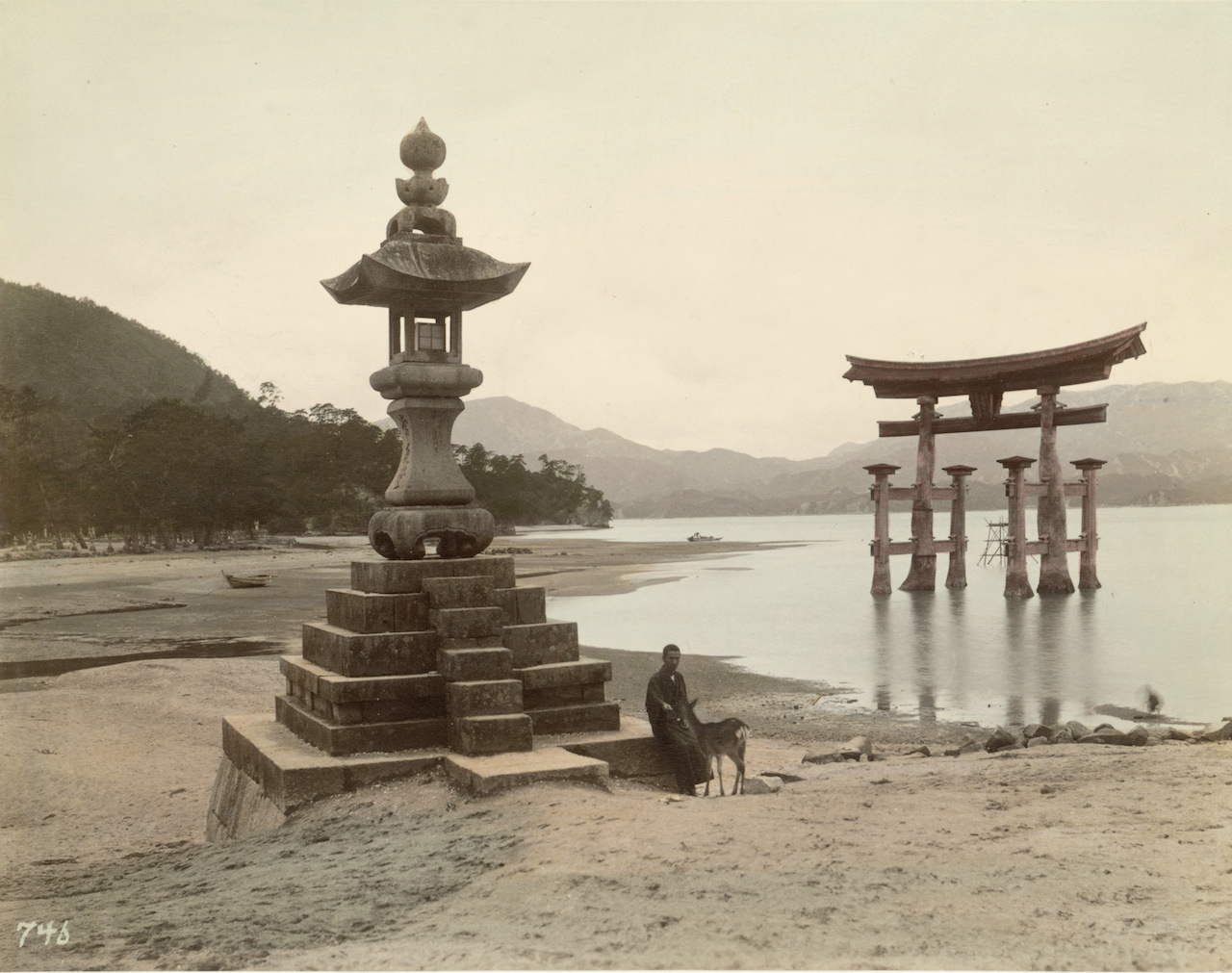
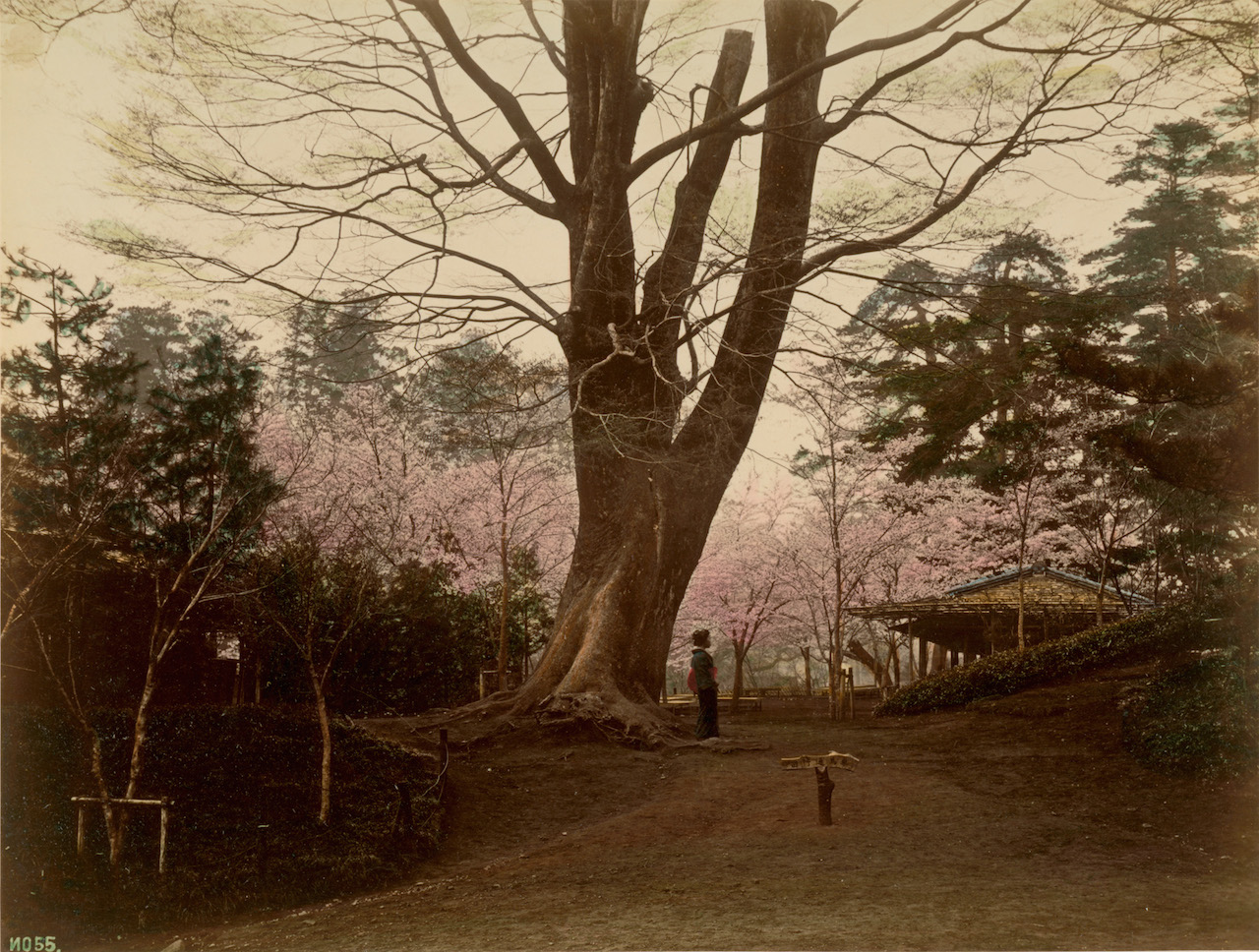
Japanese Photography from the Meiji Period (1868-1912)

Zartrosa und Lichtblau
Japanische Fotografie der Meiji-Zeit (1868-1912)

Museum for Photography, Berlin
September 4, 2015 – January 1, 2016

| EN

There is a very nice introductory text at the museum’s website:

In the latter half of the 19th century, Japanese society underwent a process of rapid modernization along European lines, which was encapsulated by the governmental slogan ‘civilization and enlightenment’. Emperor Mutsuhito (throne name Meiji) became the symbol of the political upheaval of this period. His reign saw the abolishment of the feudal system of the Edo Period and the 270-year-long military rule of the Tokugawa shogunate.

Alongside the steam engine, gas lights, and the hot-air balloon, photography was one of the seven key hallmarks of the country’s ‘unconditional Europeanisation’.  First introduced by the Americans and the British, photography was seen as the absolute embodiment of Western technology and progress among those sections of society keen for Japan to open itself up to the world and embrace the modern age. After several foreign-owned photographic studios set up for business, Japanese photographers soon followed suit by opening their own. The clientele for both kinds of studios were typically long-term visitors and tourists, and there was a great surge in photography between 1868 and 1912.

The exhibition features some 200 images from the most important commercial-photography centres in Japan. The display opens with works by Ueno Hikoma and Uchida Kuichi from Nagasaki, followed by work by Yokohama-based photographers Felice Beato, Baron Raymond von Stillfried-Rathenicz, Adolfo Farsai, and Kusakabe Kimbei, as well as Ogawa Kazumasa of Tokyo. The show offers a comprehensive survey of the major themes and stylistic devices of the Meiji Era. The featured works range from ethnographic typologies and staged genre scenes to artfully stylized portraits, nature studies, and architectural photographs. They form a canon of photographic travel shots, intended for visitors on a Far-Eastern ‘Grand Tour’ as souvenirs of their trip for universities and colleges back home, or as visual records to bolster and fuel the exotic imagination. Geishas playing and dancing to the shamisen, samurai, sumo wrestlers, kabuki actors, temples in Tokyo, or Nikko, or on Mount Fuji embody the stereotypes of the paradisal land of the cherry blossom that had been widely perpetuated in the West since the 16th century. The photographs exploit these clichés. At the same time, they often seem to cast doubt on the authenticity of the depicted experience.

The exhibition features images taken from the collections of the Kunstbibliothek, Ethnologisches Museum, Museum für Asiatische Kunst, the Staatsbibliothek, and the archives of the former state of Prussia (Geheimes Staatsarchiv). Largely hitherto unpublished, the photographic material is now being presented to a broad audience for the first time. The show also includes historical books and travel reports, as well as coloured woodblock prints by such well-known artists as Kitagawa Utamaro, Utagawa Hiroshige, and Katsushika Hokusai. These woodcuts form a fascinating dialogue with the photographs they often inspired. The diversity of media on display illustrates, on the one hand, Japanese pictorial traditions and influences, while simultaneously revealing the fundamental Western influences on the photographic interpretation of the Meiji Era.

| DE

Die Webseite des Photomuseums hat eine sehr gute Einführung zur Ausstellung:

In der zweiten Hälfte des 19. Jahrhunderts erlebte Japan unter der Losung “Zivilisation und Aufklärung” eine rasante Modernisierung nach europäischem Vorbild. Zur Symbolfigur für den politischen Umbruch wurde Kaiser Mutsuhito (Thronname Meiji). Unter seiner Regentschaft wurde das Feudalsystem der Edo-Zeit abgeschafft und die fast 270-jährige Militärherrschaft der Tokugawa-Shogune beendet.

Die Fotografie galt neben der Dampfmaschine, dem Gaslicht oder dem Heißluftballon als eines der sieben Standardwerkzeuge zur “unbedingten Europäisierung” des Landes. Zunächst von Amerikanern und Engländern eingeführt, verkörperte sie für die an einer Öffnung des Landes interessierten Kreise die westliche Technik und den Fortschritt schlechthin. Schon bald etablierten sich neben den ausländischen Studios auch japanische Ateliers. Beide arbeiteten hauptsächlich für Langzeit-Gäste und Touristen, wobei es zwischen 1868 und 1912 zu einem enormen Aufschwung der Bildproduktion kam.

Die Ausstellung präsentiert rund 200 Bilder aus den wichtigsten kommerziellen Fotografie-Zentren Japans. Angefangen mit Ueno Hikoma und Uchida Kuichi aus Nagasaki über Felice Beato, Baron Raimund von Stillfried-Rathenicz, Adolfo Farsai und Kusakabe Kimbei in Yokohama bis hin zu Ogawa Kazumasa in Tokyo, bietet die Schau einen umfassenden Überblick über die wichtigsten Themen und Stilmittel der Meiji-Zeit. Ethnografische Typologien und inszenierte Genreaufnahmen stehen neben kunstvoll stilisierten Porträts, Naturstudien oder Architekturdokumentationen. Sie bilden einen Kanon reisefotografischer Aufnahmen, die als Souvenir für Absolventen der Grand Tour dienten, als Beleg für Bildungseinrichtungen oder der exotischen Imagination. Geishas bei Shamisenspiel und Tanz, Samurai, Sumo-Ringer, Kabuki-Schauspieler, Tempel in Tokyo oder Nikko sowie der Fuji verkörpern geläufige, seit dem 16. Jahrhundert fortlebende Stereotypen vom Paradies im Land der Kirschblüte. Die Fotografien bedienen diese Klischees. Zugleich stellen sie die Authentizität des Erlebten vielfach in Zweifel.

Die Ausstellung zeigt Exponate aus den Sammlungen der Kunstbibliothek, des Ethnologischen Museums, des Museums für Asiatische Kunst, der Staatsbibliothek und aus dem Geheimen Staatsarchiv. Bislang weitgehend unveröffentlicht, soll das fotografische Material erstmals einem breiten Publikum vorgestellt werden. Dabei treten die Aufnahmen, ergänzt durch Buchobjekte und Reiseberichte, in einen faszinierenden Dialog mit Rollbildern und Farbholzschnitten bedeutender Künstler wie Utagawa Hiroshige, Kitagawa Utamaro und Katsushika Hokusai. Diese mediale Vielfalt stellt einerseits den Bezug zu japanischen Bildtraditionen und Einflüssen her, andererseits verdeutlicht sie die grundlegenden westlichen Einflüsse auf die fotografische Interpretation der Meiji-Zeit.

Museum für Photographie

FUTURISM

FUTURISM

| EN

“A racing car, whose body is decorated by giant pipes, a screaming car, is more beautiful than the Nike of Samothrake…”
With this aesthetic credo, the Futurists celebrated the birth of a new movement, which established for the first time as central measure the beauty and dynamism of technology in an industrial world.

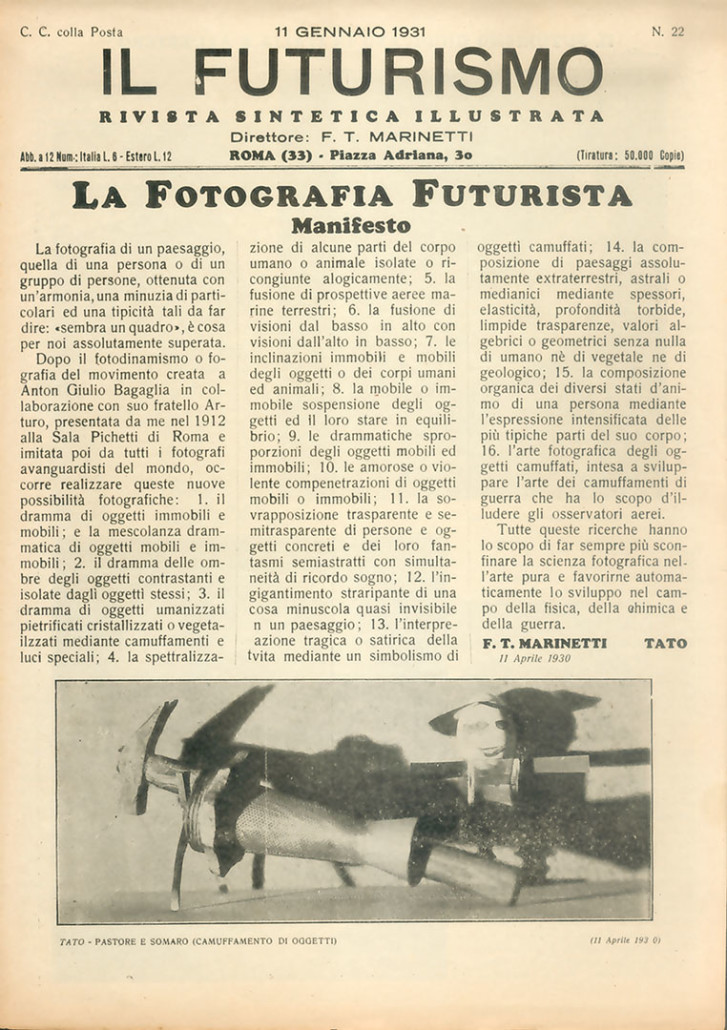
Originating from poetry and painting, for the duration of their thirty-year existence the Futurists embraced all spheres of art production: sculpture, theater, dance, cinema, music, design and architecture. Photography found, after an initial rejection, a manifold application within the movement: as artistic medium under the catchword “Photodynamism” with the goal of representing movement – in the form of montages and collages, self-portraits of the protagonists and, not lastly, to document the multiple activities of the Futurists themselves.

Presented here are photographs featuring collage/montage, portraiture and important documentary photographs portraying the Futurist movement itself. Among the montages and collages, alongside works of Gino Soggetti and Fillia, the series of compositions and self-portraits of the artist Adele Gloria deserve special attention.
A great number of the Futurists made use of the photographic portrait for purposes of self-propaganda, whereby the works range from those manipulated in the darkroom to, ironically enough, the straight studio portrait in bourgeois costume.

In order to document their activities and propagate the movement in the public print media, photography proved the ideal medium. Photographs originated – made by the Futurists themselves or by professional photography studios – of dance performances, stage design, costumes, architectural models and sculptural works.

The utopian, artistic concept of the Futurists was designed to destroy bourgeois tradition, whereby the basic premise included the postulate of dynamism in a technological society and the simultaneity of perception. Their revolutionary concept was realized especially on the border between literature and painting under the motto “Parole in Liberta” (word in freedom). With their free typographic constructions they destroyed the force of classical order and created scriptural pictures with dancing words and sounds which could be construed “simultaneously” by the reader.

In general, the Futurists accompanied and defined all spheres of their art production with manifests, books and newspapers. The multi-lingual written documents of the Futurists point to the internationality of their intent and their close relationships to the avant-garde movements in Europe. Above all, Dadaism and Surrealism embraced the artistic inventions of the Futurists, such as montage and sound poems.

| DE

„Ein Rennwagen, dessen Karosserie große Rohre schmücken, ein aufheulendes Auto, ist schöner als die Nike von Samothrake” mit diesem ästhetischen Credo feierten 1909 die Futuristen die Geburt einer neuen Bewegung, die erstmals die Schönheit und Dynamik der Technik einer industrialisierten Welt als zentralen Maßstab setzte.

Ausgehend von der Poesie und Malerei begannen die Futuristen während ihrer rund 30jährigen Existenz auf alle Bereiche der Kunstproduktion zuzugreifen: Skulptur, Theater, Tanz, Kino, Musik, Design und Architektur. Die Fotografie fand nach anfänglicher Ablehnung vielfältigen Einsatz innerhalb der Bewegung: als künstlerisches Medium unter dem Schlagwort des „Fotodynamismus“ mit dem Ziel der Darstellung von Bewegung; in Form von Montagen und Collagen; zur Selbstdarstellung der Protagonisten und nicht zuletzt zur Dokumentation der vielfältigen Aktivitäten der Futuristen.

In der Ausstellung werden rund 70 Fotografien mit den Schwerpunkten Collage/Montage, Portrait und Dokumentarfotografie gezeigt. Bei den Montagen und Collagen ist insbesondere, neben Arbeiten von Gino Soggetti und Fillia, eine Serie von Kompositionen und Selbstporträts der Künstlerin Adele Gloria hervorzuheben.

Etliche der Futuristen nutzten das fotografische Porträt zur Selbstpropaganda, wobei die Bandbreite von in Labor verfremdeten Arbeiten bis hin zu Porträts im „bürgerlichen” Habitus reicht (z. B. Marasco, Marinetti u. Pannaggi).

Um ihre Aktivitäten zu dokumentieren und in den Printmedien der Zeit zu propagieren, stellte die Fotografie das ideale Medium dar. Es entstanden Aufnahmen – durch die Futuristen selbst oder von professionellen Fotografen – von Tanzperformances, Bühnenbildentwürfen, Kostümen, Architekturmodellen und Werken der bildenden Kunst (Depero, Kertéz, Prampolini u.a.).

Das utopische, künstlerische Konzept der Futuristen hatte sich die Zerstörung der bürgerlichen Traditionen auf die Fahnen geschrieben, wobei zu den Grundprämissen das Postulat der Dynamik einer technoiden Gesellschaft und der Simultanität der Wahrnehmung gehörte. Ihren revolutionären Ansatz verwirklichten die Futuristen besonders auf der Grenze zwischen Literatur und Malerei unter dem Schlagwort „Parole in Libertà” (Worte in Freiheit). Sie setzten mit ihrer freien typografischen Gestaltung die klassische Ordnung der Texte außer Kraft und schufen Schriftbilder mit tanzenden Worten und Lauten, die vom Leser „simultan” erfasst werden sollten.

Beispiele der „Parole in Libertà” werden in der Ausstellung sowohl in Form von Zeichnungen als auch in Publikationen wie z. B. die zentrale Schrift „Le mots en liberté futuristes” von F. T. Marinetti (1919) ausgestellt. Generell haben die Futuristen alle Bereiche ihrer Kunstproduktion in Manifesten, Büchern und Zeitschriften begleitet und definiert, wovon eine Auswahl von den Anfängen der Futuristen bis in die 1930er Jahre gezeigt wird (unter anderem das eingangs zitierte Gründungsmanifest der Futuristen von F. T. Marinetti von 1909).

Die mehrsprachigen Schriften der Futuristen verweisen auf ihre internationale Ausrichtung und ihre engen Beziehungen zu den Avantgardebewegungen in Europa. Vor allem Dadaismus und Surrealismus griffen künstlerischen Inventionen wie die Montage und das Lautgedicht der Futuristen auf. Zugleich trug die futuristische Bewegung seit ihrem ersten Manifest einen starken totalitären Impuls in sich. Patriotismus und Nationalismus führten seit Beginn der 20er Jahre zu einer engen Beziehung zu Benito Mussolini und seiner faschistischen Bewegung, was sich vor allem in späteren Arbeiten niederschlägt.

PRESS | Review “Reset I” | FAZ | 5 Sept. 2015

Review “Reset 1” | FAZ | 5 Sept. 2015

“Wandern auf dem Planeten Rheinland” | “Roving on the planet Rhineland”
FAZ. 5 Sept. 2015

Magdalena Kröner

| EN

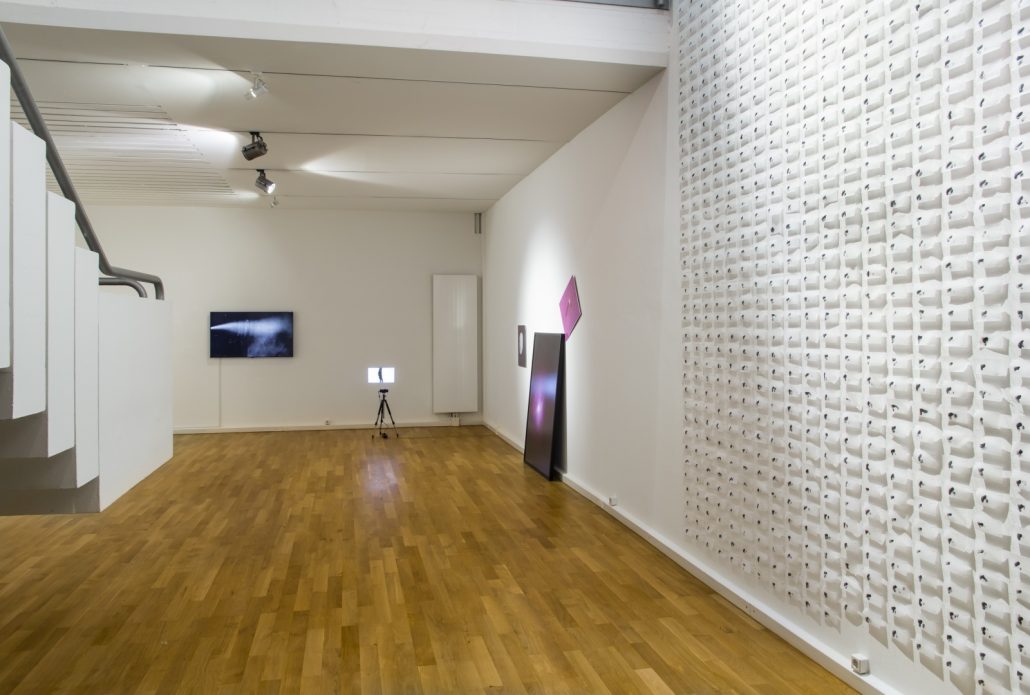
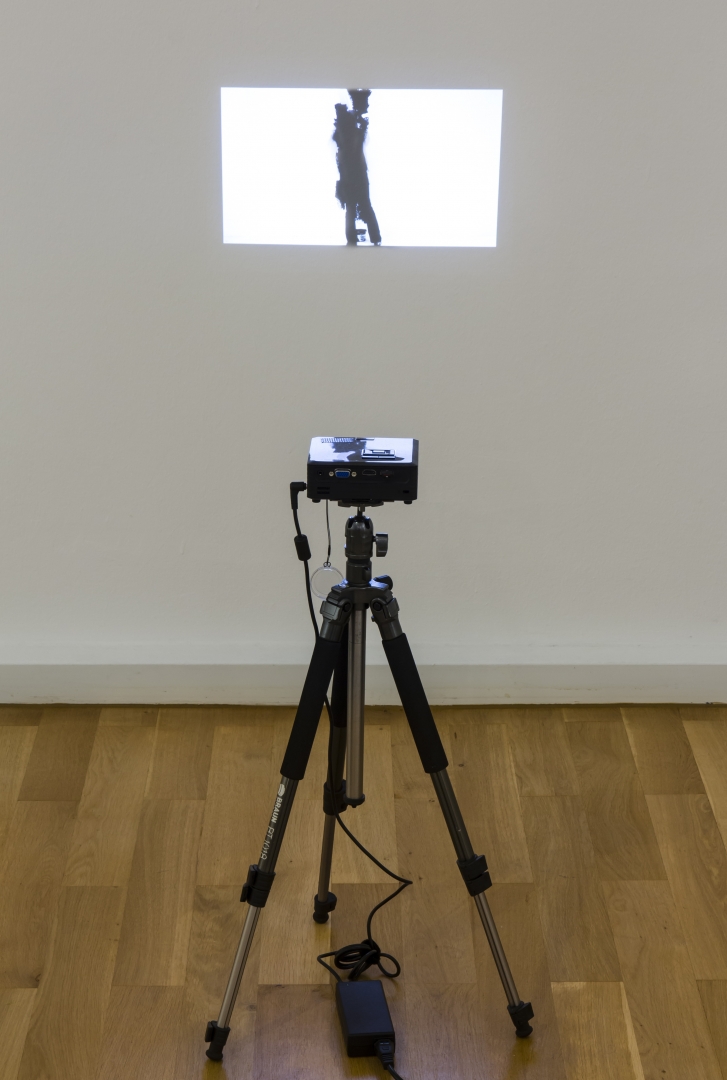
“It would appear that Priska Pasquer’s Albertusstrasse gallery was becoming a little cramped for her. A few doors down, her museum-like group exhibition “Reset1” covers three floors in the heavily concreted rooms once occupied by Galerie Rudolf Zwirner. Here, she showcases young art that is shaped by the digital age: for his piece “Level Cleared”, US artist Evan Roth attached hundreds of small sheets of glassine, each the size of a mobile phone display, to the wall with four pins each. Dark traces are visible on each page, like gestural painting – these are fingerprints left on his smartphone when playing games on it. Johanna Reich also sets great store by painting in the wider sense of the word: in a film projected at knee height, she is shown painting a vertical black beam which ultimately appears to swallow her up. She sees her work as a form of painting: a glimpse into the future of painting in the computer screen age, which turns the established notion of “oil on canvas” on its head completely. (Until 2 November).”

| DE

“Wohl zu eng wurde es auf der Albertusstraße für Priska Pasquer. Ein paar Häuser weiter kann sich ihre museale Gruppenschau “Reset1” in den ehemaligen betonlastigen Galerieräumen von Rudolf Zwirner auf drei Etagen ausbreiten. Sie zeigt junge Kunst, die vom digitalen Zeitalter geprägt ist: Hunderte Blättchen aus Pergamin, so klein wie das Display eines Mobiltelefons, hat der amerikanische Künstler Evan Roth für seine Arbeit “Level Cleared” mit je vier Nadeln an die Wand gepinnt. Auf jedem Blatt sind dunkle Spuren zu sehen, wie gestische Malerei – es sind Fingerabdrücke, die er beim Spielen auf seinem Smartphone hinterlassen hat. An Malerei im weiteren Sinne ist auch Johanna Reich gelegen: Ein auf Kniehöhe projizierter Film zeigt sie beim Malen eines vertikalen schwarzen Balkens, der sie schließlich zu verschlucken scheint. Sie versteht ihre Arbeiten als Gemälde: Ein Blick auf die Zukunft der Malerei im Zeitalter des Bildschirms, der die übernommene Vorstellung von “Öl auf Leinwand” gründlich irritiert. (Bis 2. November).”

RESET I and MODERNISM

RESET I and MODERNISM
Frank Ammerlaan, Viktoria Binschtok, Christian Falsnaes, John Gerrard, Mai-Thu Perret, Johanna Reich, Evan Roth, Pepo Salazar, Adrian Sauer, Lieko Shiga, Masha Tupitsyn

September 5th – November 28th, 2015

| EN

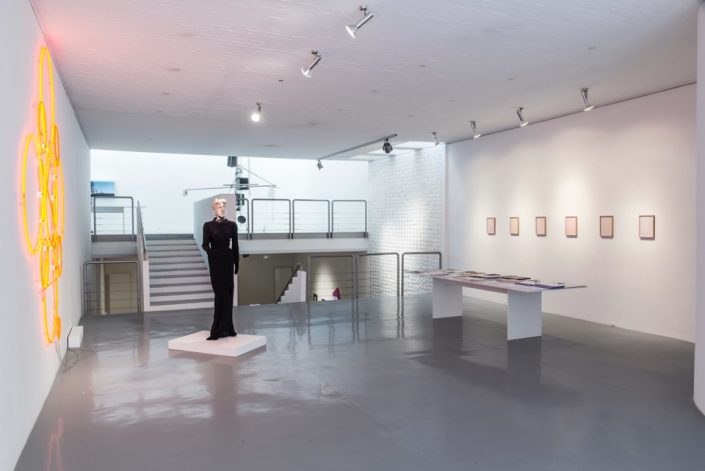
On the occasion of DC Open, | PRISKA PASQUER is opening its “RESET I” group exhibit, which showcases today’s modernity – pioneering artists that take a radical approach to the changes of our age. At the same time, “RESET I” marks a new beginning for | PRISKA PASQUER in the legendary exhibition spaces of the Rudolf Zwirner Gallery in Cologne.

The “RESET” exhibition series is dedicated to artists who directly reflect the sweeping developments of the digital age. The “RESET” series of exhibitions will concern itself foremost with fundamental, far-reaching questions: How do artists respond to the digital transformation? What themes define art in the digital age? How does the digital age change the way artists view the world? How does art work in the digital age and how can artists respond to the new challenges that present themselves? This means that the main focus is on substantive questions that can be explored in videos and computer animations as well as in paintings, photographs, sculptures, websites or installations.

We live today in a new modernity, in which digitization permeates all areas of our lives and thus alters the

very nature of our civilization. In recent years, the process of digitization, dematerialization and interconnection has stepped up its pace dramatically.

“The relationship between image and language, language and body, image and space, object and subject has changed rapidly. While the creation of images is no longer the primary function of art, working with existing images, objects and spaces is becoming a de-subjectivised place of reflection.” – Susanne Pfeffer (“Speculations on Anonymous Materials”, Fridericianum, Kassel, 2013). At the same time, past reminders, present experiences and future imaginings come together in digital space to form equivalent images in our eyes.

Digital modernity creates the potential for revolutionary developments in every aspect of our lives.  At the same time, it raises fundamental questions while relying on artistic and design input. Like their predecessors of the earlier Western modernity, the artists of the digital modernity engender new perspectives on key issues of our age. With critical openness, they grasp the scope of the radical transformation, grapple with its risks and develop visionary projects.

Since being founded in 2000, | PRISKA PASQUER is focusing primarily on art created during periods of social change. Over the years three main groups have emerged: Russia, Japan and Germany – with works from the 1920s/1930s, 1960/1970s and new works from the new millennium. In the future, the gallery will also be concentrating on avant-garde art of the digital age.  The first result of this further programmatic development is the “RESET I” exhibition.

Located at Albertusstrasse 18, the former rooms of Galerie Rudolf Zwirner are well known in the international art scene as one of the key venues in Cologne. It was here that many pioneering exhibitions of avant-garde art were held. It was designed in 1972 by local architect Erich Schneider- Wessling. The space is ideal for presenting a wide variety of formats in all kinds of media – be it video, painting, photography or large-scale installation.

| DE

Anlässlich der DC-Open eröffnet | PRISKA PASQUER die Gruppenausstellung „RESET I“. Gezeigt wird die Moderne von heute: Künstler, die sich wegweisend mit den radikalen Veränderungen unseres Zeitalters auseinandersetzen. Zugleich markiert „RESET I“ den Neustart von | PRISKA PASQUER in den legendären Räumen der Galerie Rudolf Zwirner in Köln.

Die Ausstellungsreihe „RESET“ widmet sich Künstlern, die unmittelbar die weitreichenden Entwicklungen des digitalen Zeitalters reflektieren. Dabei geht es vorrangig um grundsätzliche Fragestellungen: Wie reagieren Künstler auf die digitale Transformation? Welche Themen bestimmen die Kunst des digitalen Zeitalters? Wie verändert das digitale Zeitalter den künstlerischen Blick auf die Welt? Wie diskutieren Künstler den Begriff der Partizipation in seiner politischen wie medialen Bedeutung? Im Fokus von „RESET“ stehen also inhaltliche Fragen und diese können ebenso in Videos und Computeranimationen, wie in Fotografien, Gemälden, Skulpturen, Websites oder Installationen diskutiert werden.

Wir leben heute in einer neuen Moderne, in der die Digitalisierung alle Lebensbereiche durchdringt und damit unsere Zivilisation in grundlegender Weise verändert. Der Prozess von Digitalisierung, Dematerialisierung und Vernetzung hat sich in den letzten Jahren dramatisch beschleunigt.

„Die Relation von Bild und Sprache, Sprache und Körper, Bild und Raum, Objekt und Subjekt hat sich rasant verändert. Während die originäre Bildgenese als primäre Aufgabe der Kunst entfällt, wird das Arbeiten mit bereits existierenden Bildern, Objekten und Räumen zum entsubjektivierten Ort der Reflexion.“ – Susanne Pfeffer (“Speculations on Anonymous Materials”, Fridericianum, Kassel, 2013). Die Erinnerung an die Vergangenheit, das Erleben der Gegenwart und die Vorstellung von der Zukunft vereinen sich im digitalen Raum zu für uns scheinbar gleichwertigen Bildern.
Die digitale Moderne schafft Potenziale für revolutionäre Entwicklungen in allen Lebensbereichen. Zugleich wirft sie weitreichende Fragestellungen auf und ist ihrerseits auf künstlerische und gestalterische Inputs angewiesen. Wie die Künstler der frühen westlichen Moderne entwickeln die Künstler der digitalen Moderne neue Perspektiven zu zentralen Themen unserer Zeit. Mit kritischer Offenheit erfassen sie die Tragweite der radikalen Transformation, diskutieren deren Risiken und entwickeln visionäre Projekte.

Seit ihrer Gründung im Jahr 2000 konzentriert sich die Galerie | PRISKA PASQUER auf Kunst, die in gesellschaftlichen Veränderungen passiert. Hier haben sich über die Jahre drei Hauptgruppen herauskristallisiert – Russland, Japan und Deutschland – mit Werken aus den 1920/1930er- und 1960/1970er-Jahren sowie neuen, nach 2000 entstandenen Arbeiten. In Zukunft wird sich die Galerie zusätzlich auf die Moderne des digitalen Zeitalters fokussieren. Erstes Ergebnis dieser programmatischen Weiterentwicklung ist die Ausstellung „RESET I“.

Die ehemaligen Räume der Galerie Rudolf Zwirner in der Albertusstrasse 18 stehen für den Standort Köln im internationalen Kunstbetrieb als unvergesslicher und prägender Ort. Hier wurden wegweisende Ausstellungen von Avantgardekunst gezeigt. Das Gebäude wurde 1972 von dem Kölner Architekten Erich Schneider-Wessling errichtet. Die großzügig gestalteten Räume eignen sich hervorragend für die Präsentation unterschiedlichster Formate in allen Medien – ob Video, raumgreifende Installation, Malerei oder Fotografie.

Modern Experiment, Cabinet Exhibition

MODERN EXPERIMENTS
Cabinet Exhibition
Valentina Kulagina, El Lissitzky, Alexander Rodchenko, Osamu Shiihara, Elfriede Stegemeyer

September 5th – November 28th, 2015

| EN

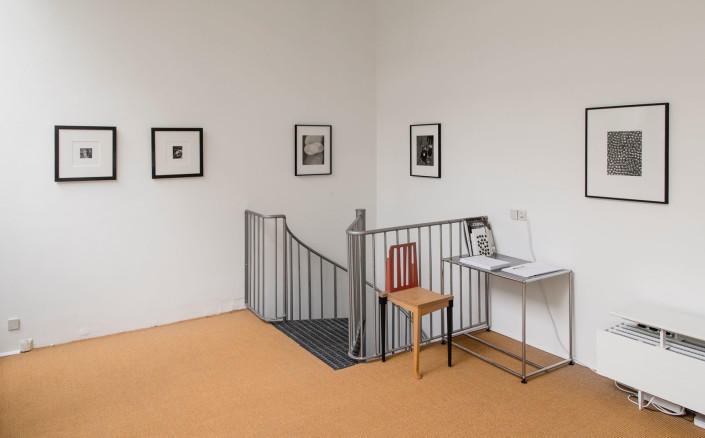
Parallel to its “RESET I” exhibition, | PRISKA PASQUER will be showcasing a cabinet exhibition of modernist works in its new rooms.
The exhibition is to feature selected works from the 1920s and 1930s by Russian, Japanese and German artists.

The 1920s and 1930s were characterised by political, economic and cultural upheaval of a radical nature. The artists responded to these changing times by taking a broader, experimental approach to working with visual media. In 1931, Walter Benjamin described the increasing complexity of social reality in photography as follows:

“Less than at any time does a simple reproduction of reality tell us anything about reality […]. A photograph of the Krupp works or GEC yields almost nothing about those institutions. […] Therefore something has to be constructed, something artificial, something set up.”

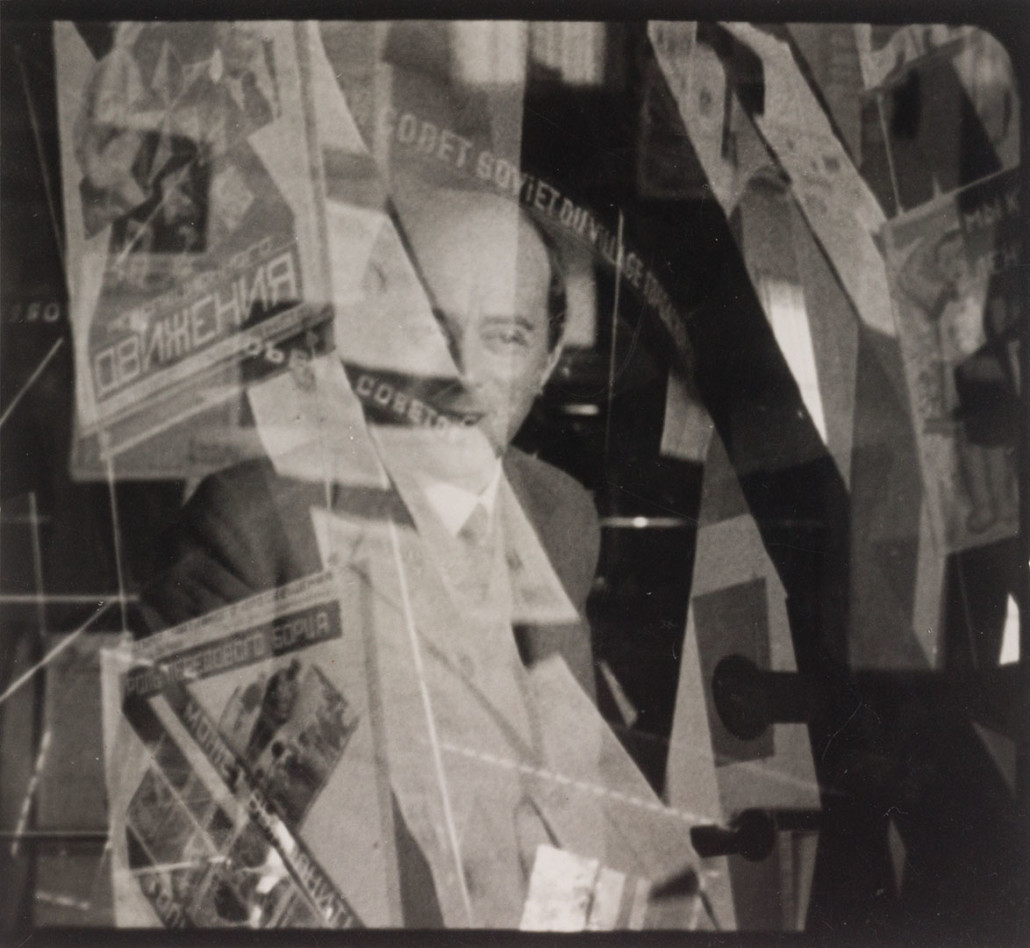
The spectrum of the exhibited works ranges from the surreal and abstract works of Osamu Shiihara to two complex photomontages by El Lissitzky, created in 1928 for the “Pressa” press exhibition in Cologne. Also on display are two sketches for a political poster and book cover by Valentina Kulagina, distorted buildings by Elfriede Stegemeyer and also a photogram by Alexander Rodchenko.

| DE

Neben der „RESET I“ Ausstellung zeigt | PRISKA PASQUER in den neuen Räumen ein Kabinettausstellung mit Werken der Moderne.
Ausgewählt wurden Arbeiten der 1920er und 1930er Jahren von Künstlern aus der USSR, Japan und Deutschland.

Die 20er und 30er Jahren zeichnen sich durch radikale Umbrüche in Politik, Wirtschaft und Kultur aus. Auf diese Epoche des Wandels reagierten die Künstler mit einem erweiterten, experimentellen Umgang in den Bildmedien. Walter Benjamin beschrieb 1931 die Verarbeitung der zunehmende Komplexität der gesellschaftlichen Wirklichkeit in der Fotografie wie folgt:

„Weniger denn je [sagt] eine einfache Wiedergabe der Realität etwas über die Realität aus […]. Eine Photographie der Kruppwerke oder der A.E.G. ergibt beinahe nichts über diese Institute. […] Es ist also tatsächlich etwas aufzubauen, etwas Künstliches, Gestelltes.“

Die Bandbreite der ausgestellten Arbeiten reicht von surrealen und abstrakten Objekten von Osamu Shiihara bis zu zwei komplexen Fotomontagen von El Lissitzky, die 1928 anlässlich der Kölner Messe „Pressa“ entstanden sind. Gezeigt werden weiterhin zwei zeichnerische Entwürfe für ein politisches Poster und Buchcover von Valentina Kulagina, verfremdete technische Bauwerken von Elfriede Stegemeyer und auch ein Fotogramm von Alexander Rodchenko.