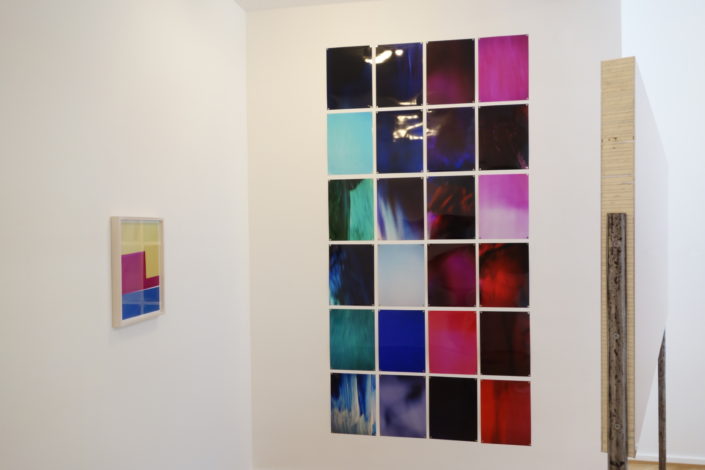
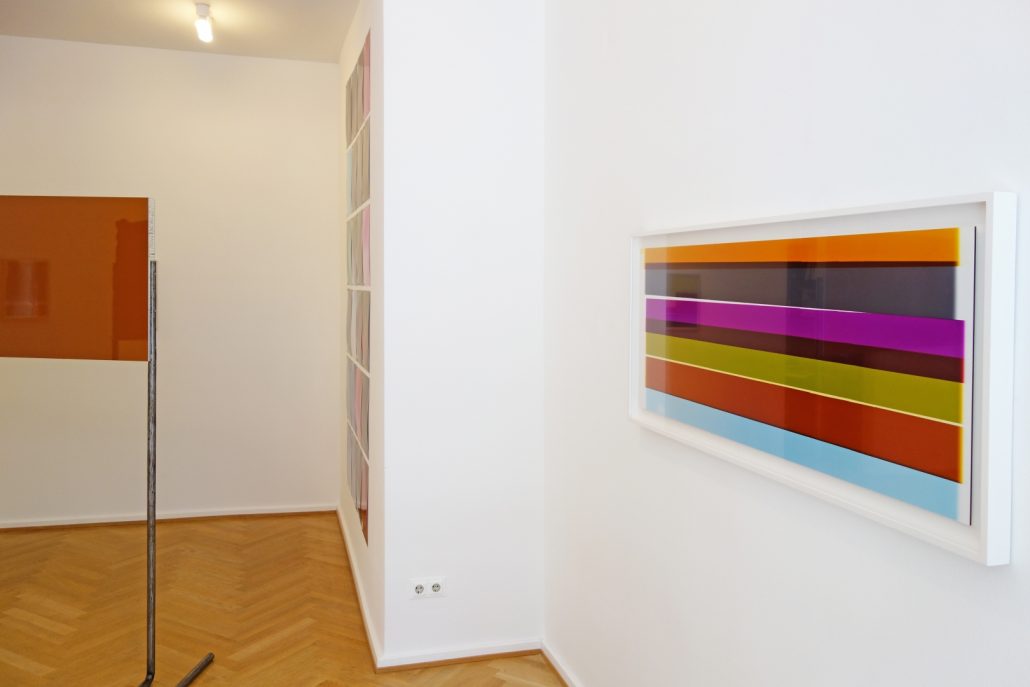
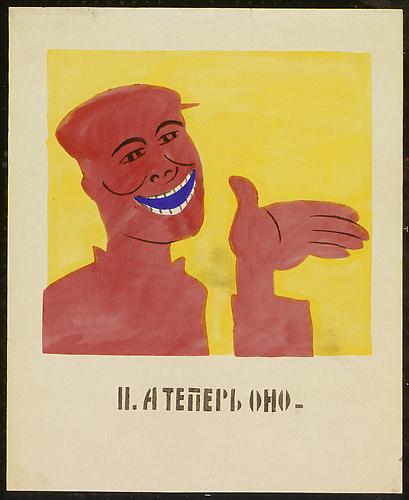
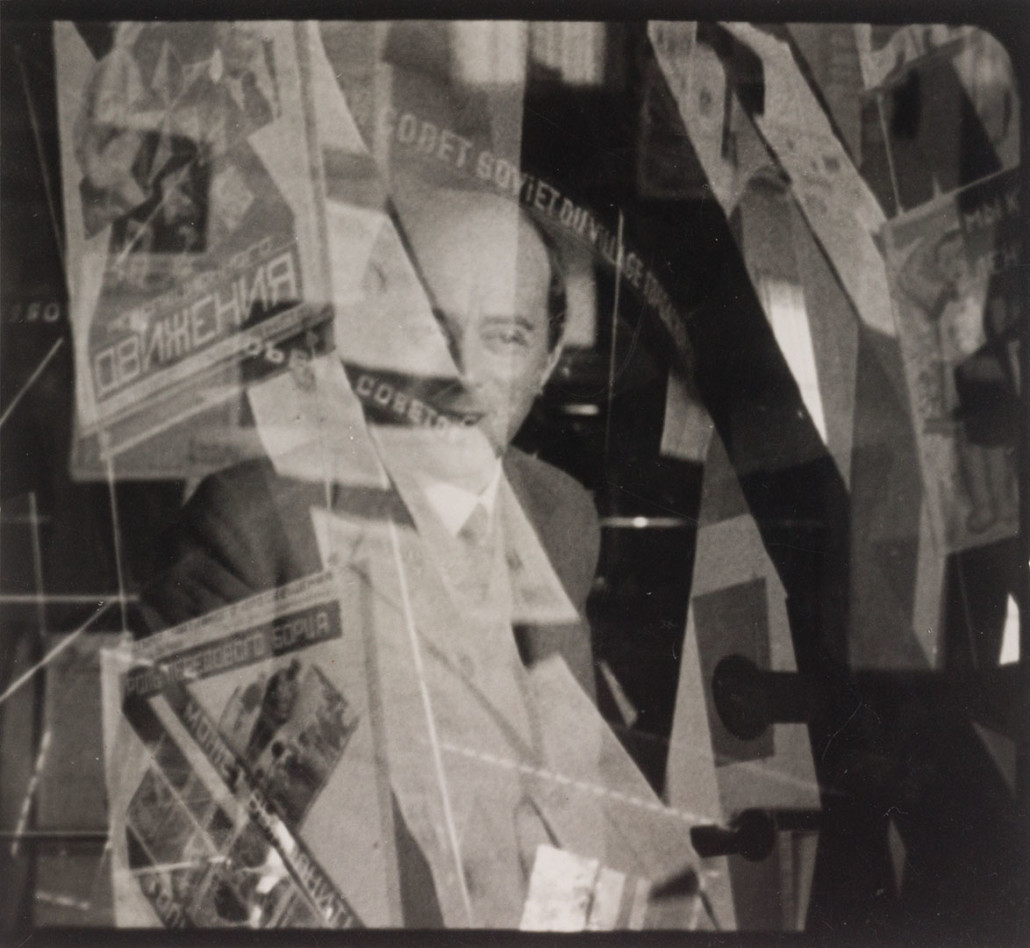
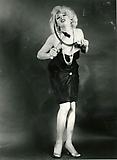
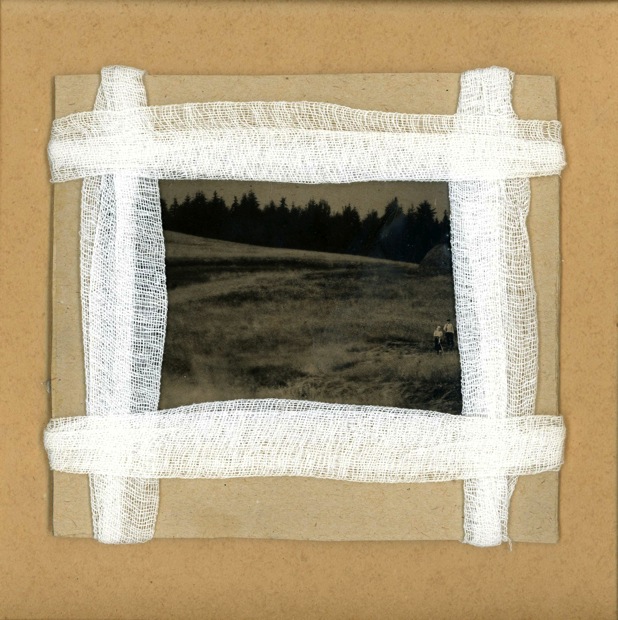
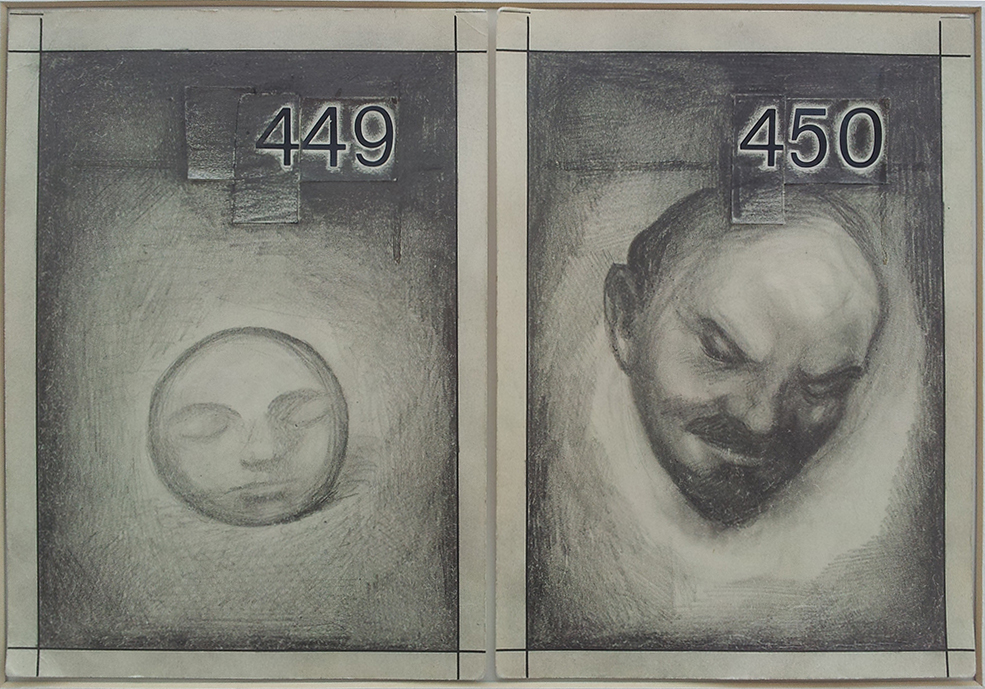
*1966
Pavel Pepperstein who was born in Moscow is the son of Irina Pivovarova, an author of children’s books, and Viktor Pivovarov, a well-known painter, studied at the Academy of Fine Arts in Prague. He lives in Moscow Being a member of the Moscow Conceptualists movement, his works were exhibited at the 53rd Venice Biennial in 2009. Acting the part of mythical figure, he rarely appears in the public, has no permanent address or official studio and prefers anchoritic lifestyle and nomadic existence.
SELECTED SOLO EXHIBITIONS
2012 Text – Bild – Konzepte | with Victor Pivovarov, Kunstverein Rosenheim, Rosenheim
2012 Ophelia | with Victor Pivovarov, Regina Gallery, London
2011 Landscapes of the Future – The Venice Biennale Installation | Kewenig Galerie, Cologne
2011 Leviathan | Sutton Lane, Paris
2010 Pavel Pepperstein | artothek, Cologne
2010 From Mordor With Love | Regina Gallery, London
2010 Vesna | Artberloga Gallery, Moscow
2009 Pavel Pepperstein | Monica de Cardenas, Zuoz
2009 A Suprematist Study of the Ancient Greek Myths | Galerie Kamm, Berlin
2009 Pavel Pepperstein | Schau Ort, Zurich
2009 EITHER-OR | Kewenig Galerie, Cologne
2008 EITHER-OR | Regina Gallery, Moscow
2008 Objects Above the Sea | Sutton Lane, London
2008 gigantomania | Sprovieri Gallery, London
2008 Rembrandt | Semeno V Gallery, St. Petersburg
2007 Landscapes of Future | Contemporary Art Gallery, Vancouver, Canada
2007 City of Russia | Regina Gallery, Moscow
2007 Talking Animals | Elisabeth Kaufmann, Zurich
2006-07 Museum für Gegenwartskunst, Basel
2006 Landscapes of Future | Galerie Kamm, Berlin
2006 Pentagon | Regina Gallery, Moscow
2006 Drawings | Artplay, Moscow
2006 Museum im Fluss | Kunsthaus Zug
2005 Riders on the storm | Sutton Lane, London
2005 Europa | Galerie Ursula Walbröl, Düsseldorf
2004 Eyes | Galerie Kamm, Berlin
2004 Hypnosis | Elisabeth Kaufmann, Zurich
2004 Hypnosis | Regina Gallery, Moscow
2003 Hypnosis | Sprovieri, London
2003 Flags and Flowers | Sutton Lane, London
2003 Battles | Regina Gallery, Moscow
2002 america | Galerie Ursula Walbröl, Düsseldorf
2002 Traum und Museum | Kunsthaus Zug
2002 political hallucinations | Galerie Kamm, Berlin
2002 Götter und Monster | Neuer Aachener Kunstverein
2001 the girl and the tunnel | Elisabeth Kaufmann, Zurich
2001 Zeichnungen | Galerie Romain Larivière, Paris2000 Moses, Pavel Pepperstein and Russia | Kunsthaus Zug, Switzerland
2001 Russian Novel 2000 | Regina Galerie, Moscow
1999 Drawings | Akademie Schloss Solitude, Stuttgart, Germany
1999 New drawings | Elisabeth Kaufmann, Basel
1998 Die süsse Dunkelheit | Galerie Obscuri Viri, Moscow
SELECTED GROUP EXHIBITIONS
2012 In an Absolute Disorder. Contemporary Russian Art. The Kandinsky Prize (2007-2012) | Arts
2012 Santa Mònica, Barcelona
2012 Text-Bild-Konzepte | Stadtgalerie Mannheim
2012 Utopie Gesamtkunstwerk | Belvedere, 21er Haus, Vienna
2011 Russian Cosmos | Museum of Contemporary Art Castello di Rivoli, Turin
2011 The Global Contemporary: Art Worlds after 1989 | ZKM -Museum of Contemporary Art, Karlsruhe
2011 Modernikon: Contemporary Art From Russia | cur. by Francesco Bonami and Irene Calderoni, Foundation Fondazione Sandretto Re Rebaudengo, Casa dei Tre Oci, Venice
2011 Ostalgia | New Museum, New York
2011 Art works | Deutsche Bank Towers, Franfurt / Main
2010 Contrepoint: Russian Contemporary Art, From the Icon to the Avant-garde | Musée du Louvre, Paris
2010 Out of Joint | Galerie Kamm, Berlin
2010 Les Utopies Mutantes | cur. by Olga Sviblova, Passage de Retz, Paris
2010 Je mehr ich zeichne – Zeichnung als Weltentwurf | Museum für Gegenwartskunst, Siegen
2010 André Thomkins, Pavel Pepperstein, Robert Watts | Kunstmuseum Liechtenstein, Vaduz
2010 Collection Florence & Daniel Guerlain – dessins contemporains | Musée des Beaux Arts et d’Archéologie de Besançon, Besançon
2010 Diary of a Madman | Regina Gallery, Moscow
2010 The Beijing International Art Biennale | cur. by Roger Gustafsson, Beijing
V Contemporary Visual Art Competition, National Centre for Contemporary Arts, Moscow
2010 FUTUROLOGIA | Garage CCC, Moscow
2010 East Bound | Kai 10 – Raum für Kunst, Düsseldorf
2010 Neugierig? | Kunst- und Ausstellungshalle der Bundesrepublik Deutschland, Bonn
2009 European Drawings | cur. by Laura Cherubini and Giorgio Verzotti, Oredaria Arti
2009 Contemporanee Gallery, Rome
2009 Das Gespinst | Städtisches Museum Abteiberg, Mönchengladbach
2009 Making Worlds | La Biennale di Venezia, Venice
2009 Political Comics, Kunstverein Hamburg, Germany
2009 3rd Moscow Biennale of Contemporary art, Moscow, Russia
2008-09 Anatomie – les peaux du dessin collection Florence et Daniel Guerlain | Frac Picardie, Amiens
2008 Die totale Aufklärung. Moskauer Konzeptkunst 1960 – 1990 | Schirn Kunsthalle, Frankfurt and Fundación Juan March, Madrid
2008 U-TURN Quadrennial for Contemporary Art, Copenhagen
2008 Moskvopolis | Luis Vuitton, Paris
2007 Cultural Confusion | Galerie Elisabeth Kaufmann, Zurich
2007 Intellectual realism | special project of 2 Moscow biennal in Tretyakov gallery, Moscow
2006 Spivaks Generation | Kewenig Galerie, Cologne
2005 Angels of History | MuHKA, AntwerpenEssence of Life – Essence of Art | Ludwig Museum–Museum for Contemporary Art, Budapest
2004 26. Biennal Sao Paulo, Sao Paulo
2004 Privatisierungen – Zeitgenössische Kunst aus Osteuropa | KW Institute for contemporary art, Berlin
2004 Berlin – Moscow | State Historical Museen, Moscow
2004 Moskauer Konzeptualismus | Kupferstichkabinett Berlin
2003 Berlin – Moscow | Martin-Gropius-Bau, Berlin
2003 Korrekturen | Galerie Kamm, Berlin
2003 Neue Ansätze – Zeitgenössische Kunst aus Moskau | Kunsthalle Düsseldorf
2001 Die Ausstellung eines Gesprächs (Projekt Sammlung 4); Groys, Kabakov und Pepperstein | Kunsthaus Zug
2000 How to meet an angel (with Ilya Kabakov) | Galerie Sprovieri, London
2000 Russian Novel 2000 | Ridzina Gallery, Moscow
2000 Pavel Pepperstein and Victor Pivovarov | Karmelitenkloster Graz, Austria
1999 Vater und Sohn, Victor Pivovarov and Pavel Pepperstein | Kunsthaus Zug, Switzerland
1997 Drawing 3, Pavel Pepperstein and Max Matter | Elisabeth Kaufmann, Basel
1996 Tennis Game (mit Ilya Kabakov) | Pori Art Museum/Art Gallery of Ontario, Toronto
1995 Freuds Träume und Schema N 5 | cur. by Andrej Monastr, Galerie Pastzi-Bott, Cologne
INSPECTION MEDICAL HERMENEUTICS (ESTABLISHED 1987)
SELECTED SOLO EXHIBITIONS
2010 Galeria Jule Kewenig, Mallorca
1998 Binokel und Monokel – Leben und Werke | Kunsthaus Zug
1997 Porträt eines Greises | Staatliche Russische Museen, St. Petersburg
1996 Das weisse Fenster | Villa Waldberta, Feldafing
1995 Das Problem der Erinnerung | Kiew
1994 Erlebnis im Turm (Der goldene Schatten) | Galerie Inga Baecker, Cologne
1994 Paramen | Galerie Grita Insam, Vienna
1994 Processioni | Human Space Modern Art Center, Milan
1993 Switzerland + Medicine | Swiss Institute, New York
1993 Leere Ikonen | Galerie l, Moscow
1993 Goldene Ikonen und schwarze Linie | Kunstverein Hamburg, Hamburg
1992 Ein Seitenraum des Sakralen in der UdSSR | Galerie Grita Insam, Vienna
1992 Die Schweiz + die Medizin | Shedhalle, Zurich
19 – 91 | Galerie Walcheturm, Zurich
1991 Das Militärleben von kleinen Bildern | Galerie Krings-Ernst, Cologne
1990 Drei Inspektoren (Drei Kinder) | Galerie Mladych, Prague
1990 Orthodoxe Ablutschungen / Umschläge und Abschlüsse | Kunsthalle Düsseldorf
SELECTED GROUP EXHIBITIONS
2001 Body of Art | Biennale di Valencia
2000 Image of father in Contemporary Art | Haus am Waldsee, Berlin
2000 Star of MH | Museum of contemporary Art, Karaganda (Kasachstan)
2000 Le Pôle du Froid | Ecole des Beaux Arts, Paris , Central House of Artists, Moscow
2000 Home/Homeless | B001, Malmö Expeditions | Gwelman Gallery, Moscow
1999 Präprintium | Graz
1999 Solitude in Budapest | Akademie of Fine Art, Budapest
1999 Star of MH | Museum of contemporary Art Zaritzino, Krasnojarsk, Siberia
1999 Neues Museum | Ifa-Galerie, Berlin
1999 The crazy twins | Central House of Artists, Moscow
1997 Ökologie der Leere -|nstitut für zeitgenössische Kunst | Moscow Biennale, Sarajewo
1998 Mystical correct | Galerie Hohenthal & Bergen, Berlin
1998 Flug, Entfernung, Verschwinden | Sophienhof, Kiel
1998 Präprintium | Staatsbibliothek zu Berlin, Preussischer Kulturbesitz, Berlin
1998 Ausstellung von Projekten | Aidan Galerie, Moscow
1998 Das Märchen besuchen | Institut für zeitgenössische Kunst, Moscow
1998 Biennale Cetinje | Crna Gora (Montenegro)
1998 Euromont | Moscow
1998 Gesichter | Zarizyno Museum, Wanderausstellung, Russia
1998 Entropia at home/Entropia zuhause | Ludwig Forum, Aachen
1998 Von Lissitzkij bis Pepperstein | Griffelkunst Hamburg
1998 Lenin | Galerie Hohenthal & Bergen, Berlin
1995 Zeichnungen der Moscower Szene | Galerie Hohenthal & Littler, Munich
1996 Kunst im Verborgenen, Nonkonformisten Russlands 1957-95 | Sammlung Museum für zeitgenössische Kunst, Zarizyno. Ludwigshafen a Rh. Kassel, Altenburg
1996 In Moscow…In Moscow… | Badischer Kunstverein Karlsruhe
1996 Flug, Entfernung, Verschwinden | Nationalgalerie, Prag, Haus am Waldsee, Berlin
1996 Kräftemessen | Kunstraum Lothringerstrasse, Munich
1996 Papier | Galerie Hohenthal, Cologne
1996 Hölle(r), Hermeneutik und die auf dem Wasser Sitzenden | Galerie Sophie Ungers, Cologne
1996 Über Schönheit | Ridshina Galerie, Moscow
1996 Grenzen der Interpretation | Russische Humanitäre Universität, Moscow
1993 Fontanelle. Kunst in (x) Zwischenfällen | Kunstspeicher, Potsdam
1993 Kontext Kunst. Die Kunst der 90er | Neue Galerie, Graz
1993 Adresse provisoire pour l’art contemporain russe | Musée de la Poste, Paris
1993 Passagio del Oriente | Biennale die Venezia, Venezia
1993 Exchange II | Shedhalle Zürich, Zurich
1993 Pré-création | Fri-Art Centre d’art contemporai, Fribourg
1993 Sehen-Lesen. Die Sprache der Kunst | Kunsthalle Vienna, Kunstverein Frankfurt /Main
1993 Fluchtpunkt Moscow | Ludwig Forum, Aachen
1993 Moscower Künstler der Neunziger Jahre | Zentrales Künstlerhaus, Moscow
1993 Sieg und Niederlage | Galerie Obscuri Viri, Moscow
1993 Architektur als Idee | Deichtorhallen Hamburg
1993 6 Moscower Konzeptualisten | Galerie Rigassi Bern
1993 Biennale Cetinja | Crna Gora (Montenegro)
1992 Russische Kunst von den 60er Jahren bis zur Perestrojka | Setagaya Museum, Tokio
1991 Unter Null (Kunsteis-Kälte-Kultur), Zentrum Industriekultur Nürnberg | Stadtmuseum Munich
1991 MANI Museum – 40 Moskauer Künstler im Frankfurter Karmelitenkloster Kau
1991 Mutter – Kosmos | Moscow
1991 Sowjetische Kunst um 1900 | Kunsthalle Düsseldorf
1991 …a Mosca…. a Mosca | Villa Campoleto, Ercolano, Galleria Comunale d’Arte, 1991 BolognaPerspective of Cenceptualism | The Honlulu University
1991 Gallery P.S.1. | Clocktower Gallery, New York
1990 Artisti Russi Contemporanei | Museo d’Arte Contemporanea Lugi Pecci, Prato
1990 In Richtung des Objekts | Kaschirskaja Ausstellungshalle, Moscow
1990 Hier und dort | Awtosawodskaja-Halle, Moscow
1990 The work of art in the age of Perestrojka | Gallery Phillis Kind, New York
1990 The green show | Exit Art, New York
1990 Mosca, Moskva, Moscow | Sala Umberto Boccioni, Milan
1990 Between Spring and Summer | Tacoma Art Museum, Tacoma, ICA Boston, Boston
1990 In den USSR en erbuiten | Stedelijk Museum, Amsterdam
1990 Katalog | Palast der Jugend, Moscow
1990 Shizo China | KLAVA, Moscow
1990 Für kultivierte Freizeit | Moscow
1989 Teure Kunst | Palast der Jugend, Moscow
1989 Perspektiven des Konzeptualismus | KLAVA, Moscow
1989 ISKUNSTVO, 2. Teil, Moscow-Berlin
1989 Moscow-Vienna-New York/Kunst zur Zeit | Messepalast, Vienna
1989 Furmannnyj Gasse | Warsaw
1989 UdSSR heute, Sammlung Ludwig | Neue Galerie, Cologne
1988 Zweite Ausstellung der KLAVA (Klub der Avantgardisten) | Moscow
SELECTED PUBLICATIONS/CATALOGUES (SOLO)
Pavel Pepperstein und Gäste | Pavel Pepperstein and Guests, exh. cat. Kunsthaus Zug, Hatje Cantz Verlag, 2004, ISBN 3-7757-1413-8
CATALOGUES (GROUP)
With reference to Hans Haacke, Berlin 2011, ISBN 978-3-86335-103-8
Utopie Gesamtkunstwerk, exh. cat. Belvedere Wien, Köln 2012, ISBN 978-3-86335-139-7
Collection Florence & Daniel Guerlain – dessins contemporains, exh. cat. Musée des Beaux-Arts et d’Archéologie de Besançon, Besançon 2010, ISBN 9782847510799
east bound, exh. cat. KAI 10 – Raum für Kunst, Kerber Verlag Bielefeld/Leipzig/ Berlin 2010, ISBN 978-3-86678-404-8
Victory over the future, exh. cat. Russian Pavilion, 53rd International Art Exhibition, La Biennale Di Venezia 2009, Moscow 2009, ISBN 978-5-93977-053-8
U-Turn – Quadrennial for Contemporary Art, exh. cat. and guide The Danish Arts Council, Schultz Distribution, Copenhagen 2008, ISBN 978-87-992777-0-4
Angels of History – Moscow conceptualism and its influence, exh. cat. Museum voor Hedendaagse, Kunst Antwerpen, Europalia International, Mercatorfonds and state Museum and Exhibition Center ROSIZO, Moscow 2005, ISBN 90-6153-619-7
26a Bienal de São Paulo, exh. cat. Fundação Bienal de São Paulo
Moskauer Konzeptualismus, exh. cat. Kupferstichkabinett Berlin, Verlag der Buchhandlung König, Köln 2003, ISBN-10: 3883757675
Berlin-Moskau/Moskau-Berlin 1950-2000 Chronik, exh. cat. Berliner Festspiele, Trilistnik Verlag, Moskau / Ars Nicolai, Berlin 2003, ISBN-10: 3-8947-907-2
Neues Moskau: Kunst aus Moskau und St. Petersburg, Institut für Auslandsbeziehungen e.V., 1999
Präprintium; Moskauer Bücher aus dem Samizdat, Edition Temmen, 1999, ISBN 978-3-86108-534-8
Memento aus Moskau; Begegnungen mit inoffiziellen Künstlern 1978-1997, Wienand 1997
Kunst im Verborgenen; Nonkonformisten Russland 1957-1995, Sammlung des Staatlichen ZarizinoMuseums, Moscow, Prestel 1995
Fluchtpunkt Moscow; Werke der Sammlung Ludwig und Arbeiten für Aachen, Hatje Cantz Verlag, 1994
6 Moscower Konzeptualisten, exh. cat. Edition Galerie Rigassi AG, Bern 1994
Noma oder der Kreis der Moskauer Konzeptualisten, Hamburger Kunsthalle, Hatje Cantz Verlag, 1994
Pavel Pepperstein „Idéologosation de l’inconnu, Pro-création?“, CQFD,Écrite théoriques sur l’art, 1993
in Moscow…in Moscow…, Bocca Editori, 1992
Sowjetische Kunst um 1990, DuMont Buchverlag Cologne, 1991
40 Moskauer Künstler im Frankfurter Karmeliterkloster; eine Ausstellung Moskauer Avantgarde-Kunst
der achtziger Jahre, Mani Museum, 1991
Kontext Kunst: the art of the 90’s, Köln 1994
Soviet Contemporary Art, Setagaya Art Museum, 1991
Auf sechs Büchern; Inspektion Medhermeneutik, exh. cat. Kunsthalle Düsseldorf, Düsseldorf 1990, ISBN-902473620X
Catalogue, exh. cat. Sintez International Fine Arts, Moscow 1990
Contemporary Russian Artists, Museo D’Arte Contemporanea Luigi Pecci Prato, 1990
Between Spring and Summer; Soviet Conceptual Art in the Era of Late Communism, exh. cat. Tacoma
Art Museum, Tacoma, Washington and The Institut of Contemporary Art, Boston, Masacusetts, 1990
The Work of Art in the Age of Perestroika, exh. cat. Phyllis Kind Gallery, 1990
Ich Lebe – ich Sehe, exh. cat. Kunstmuseum Bern, 1988
PRESSE / PRESS
Becky Shirwan „The Life and Times of Pavel Pepperstein“, Elephant Magazine, Issue 11, Summer
2012, p. 132-143
Reinhatd Ermen „Zeichnen zur Zeit V – Pavel Pepperstein“, Kunstforum International, No. 215, April
2012, p. 208-211
Skye Sherwin „Artist of the week 82: Pavel Pepperstein“, guardian.co.uk, April 8, 2010
Quinn Latimer: „Pavel Pepperstein“, http://www.artinamericamagazine.com/reviews/pavelpepperstein/, March 29, 2010
Astrid Mania „Östlicher Zirkelschlag“,http://www.artnet.de/magazine/reviews/mania/mania03-20-
10.asp, March 20, 2010
Laura Schleussner „Pavel Pepperstein – Galerie Kamm – Berlin“, Flash Art, Vol XLIII, No. 270,
January-February, 2010, p.101
„A Suprematist Study of Ancient Greek Myths“, Monopol, Dezember, 2009, p. 126
Simone Reber „Kunststücke“, Der Tagesspiegel, November 14, 2009, p. 26Dominikus Müller „Angriff der Suprematistengötter“, http://www.artnet.de/magazine/reviews/mueller/
/mueller11-10-09.asp, November 10, 2009
„Pavel Peppperstein“, Blablart.com, November 5, 2009
Benedikt Stegmeyer „Wenn der Künstler fehlt“, zitty Berlin, 22-2009, p. 94
Niklas Maak „Neue Hoffnung zwischen den Blumen des Bösen“, http://www.faz.net/s/RubEBE
D639C476B407798B1CE808F1F6632/Doc~E4D7EA1881E4C4071B5A0C9BD7FBEFEB5~ATpl~Ecommon~S
content.html, June 7, 2009
Johanna Di Blasi „Der Markt schläft seinen Rausch aus…“, http://www.stuttgarter-zeitung.de/stz
/page/2046545_0_9223_-der-markt-schlaeft-seinen-rausch-aus-.html, June 6, 2009
„Johanna Di Blasi „Die Biennale von Venedig in Zeiten der Krise“, http://www.haz.de/
Nachrichten/Feuilleton/Uebersicht/Die-Biennale-in-Venedig-in-Zeiten-der-Krise, June 5, 2009
Claudia Herstatt, „Jung, unangepasst, käuflich“, http://www.welt.de/wams_print/article3835809/Jungunangepasst-kaeuflich.html, May 31, 2009
Max Seddon „Pavel Pepperstein“, www.frieze.com/shows/review/pavel_pepperstein/, Feb 3, 2009
„Pavel Pepperstein im Museum für Gegenwartskunst“, Kunst Bulletin, 4/2007, p. 59
Ekaterina Degot „City Report: Moscow“, Frieze Magazine, April 2005, p. 98-103
Monika Krisch „Zwischen Zitat und Einfühlung“, Die Welt, April 16, 2004, p. 34
Michaela Nolte „Das Auge im Visier“, Der Tagesspiegel, April 24, 2004, p. 26
Emily Pethick „ Pavel Pepperstein“, www.artforum.com, December 11, 2003
„Zeitgenössische Kunst aus Moskau in der Kunsthalle (Düsseldorf)“, Kunst Bulletin, July/August 2003
„Pavel Pepperstein im Kunsthaus Zug“, Kunst Bulletin, November 2002
Catrin Lorch: Pavel Pepperstein, Frieze Magazine, October 2002, p. 98-99
Dorothea Zwirner „Schriftbilder der Seele“, Der Tagesspiegel, September 14, 2002
www.museenzug.ch/kunsthaus/art_samml_projekt/art_samml_projekt.htm, Kunsthaus Zug, 2001
http://kulturzentrum.minoriten.austro.net/2000_5/11-12-unsere_termine.htm, “Zwei Agenten; Victor
Pivovarov + Pavel Pepperstein”, December 2000
www.stiftung.brandenburgertor.de/kultur/autoren/content_pepperstein.html, Stiftung
Brandenburger Tor, October 1999
Groys, Boris, Pavel Pepperstein: “Der Künstler als Subkultur”, Parkett No. 55, 1999, p. 7-12
Groys, Boris/Pepperstein, Pavel: “Die Rolle der Kritik”, Kunst-Bulletin, November 1998, p. 8-15
www.geocities.com/SoHo/Studios/5013/peppr.htm, “Esotericum, The art of Tarot”, XL Gallery, 1995
Frank Frangenberg „Unterhaltung in einem chinesischen Restaurant“, Kunstforum, May/Jun, 1995,
p. 311-31